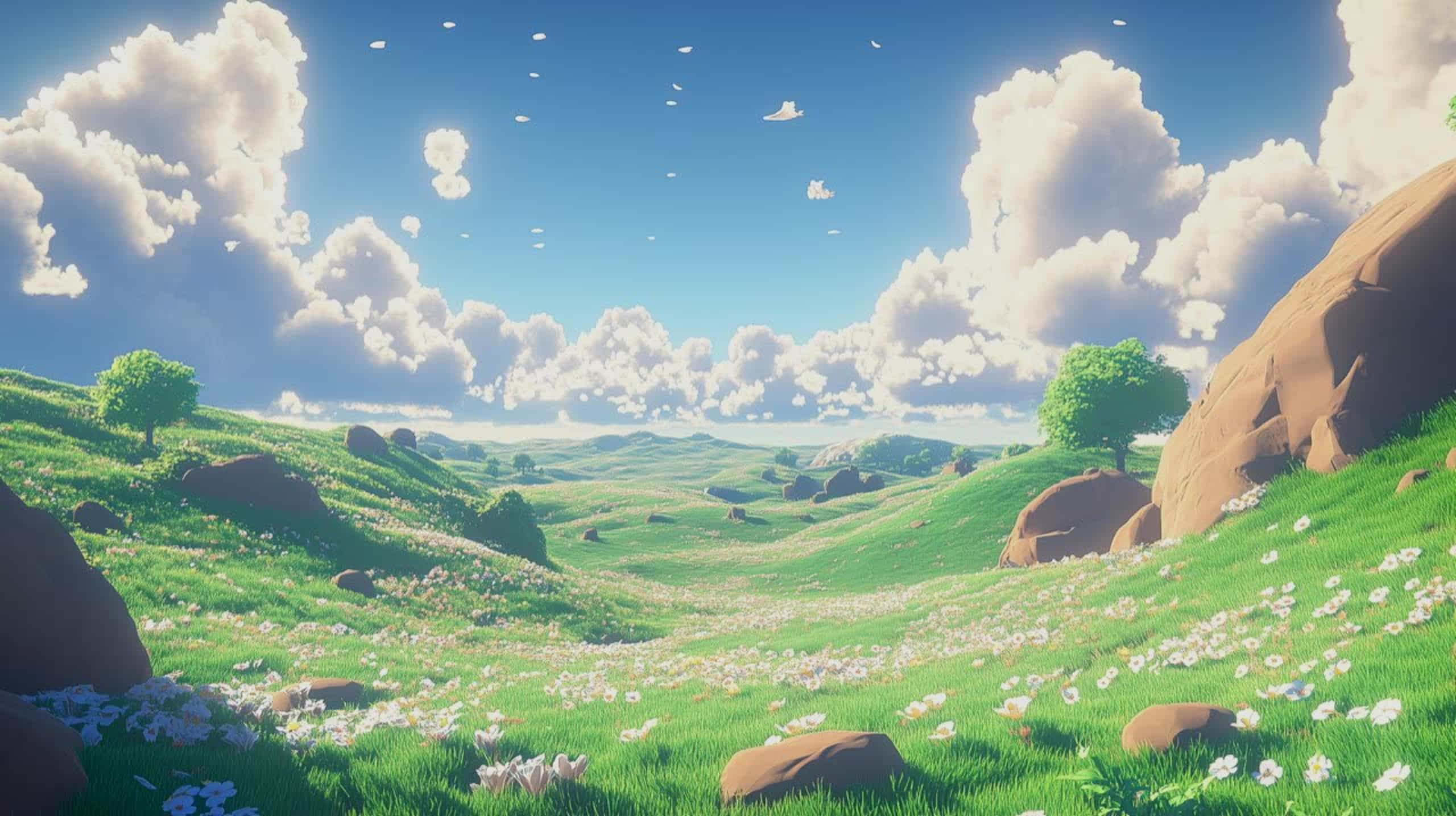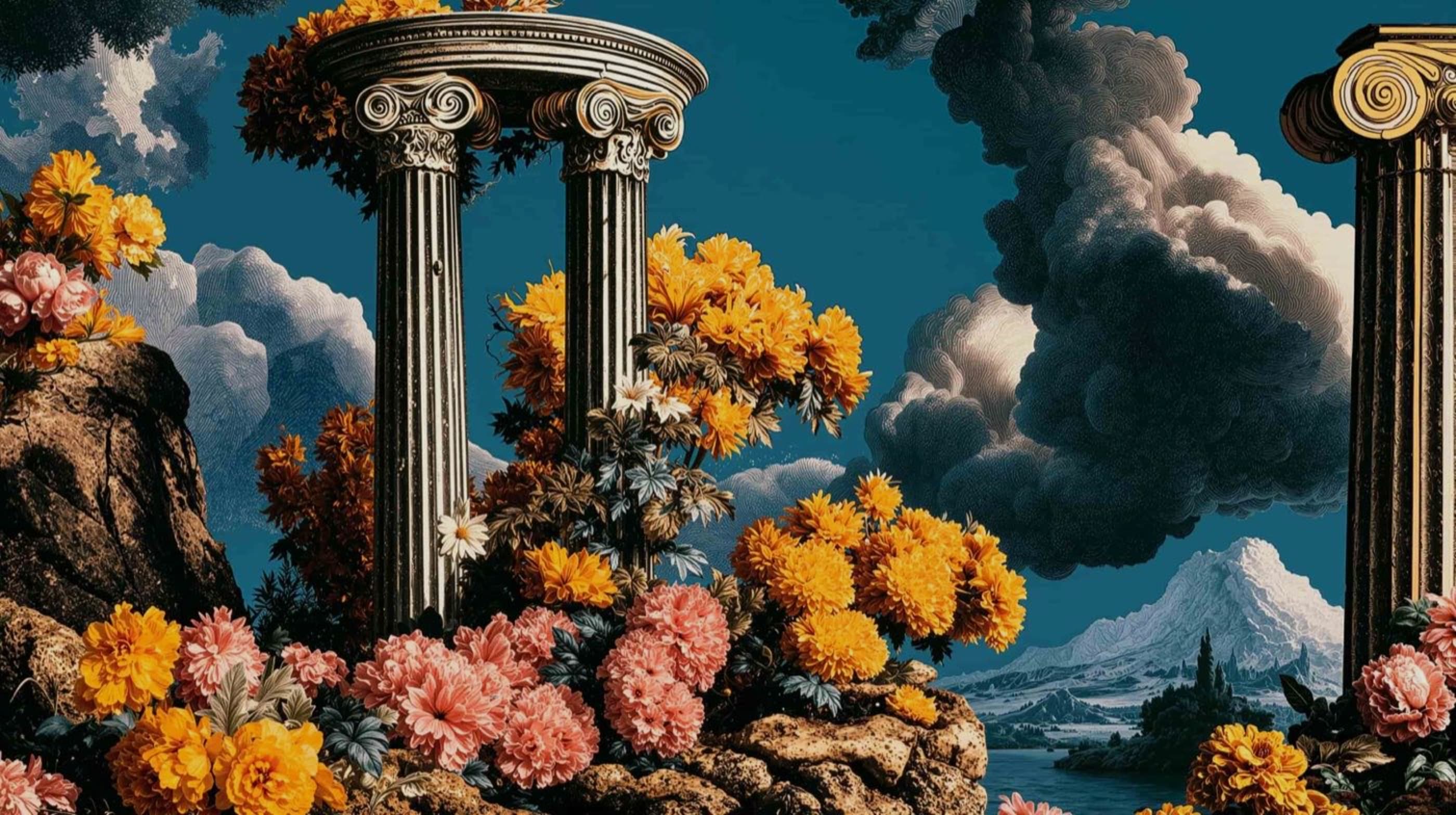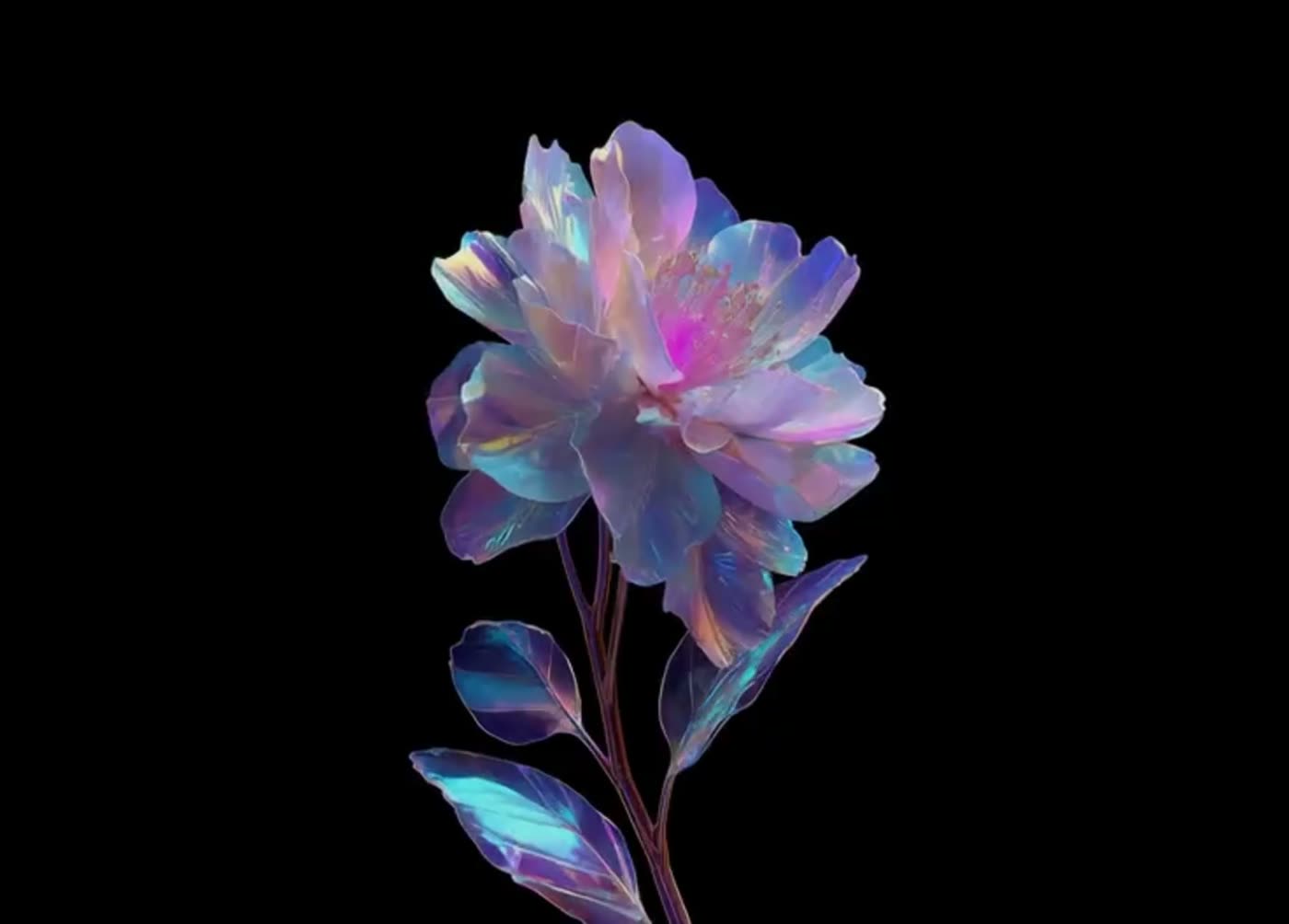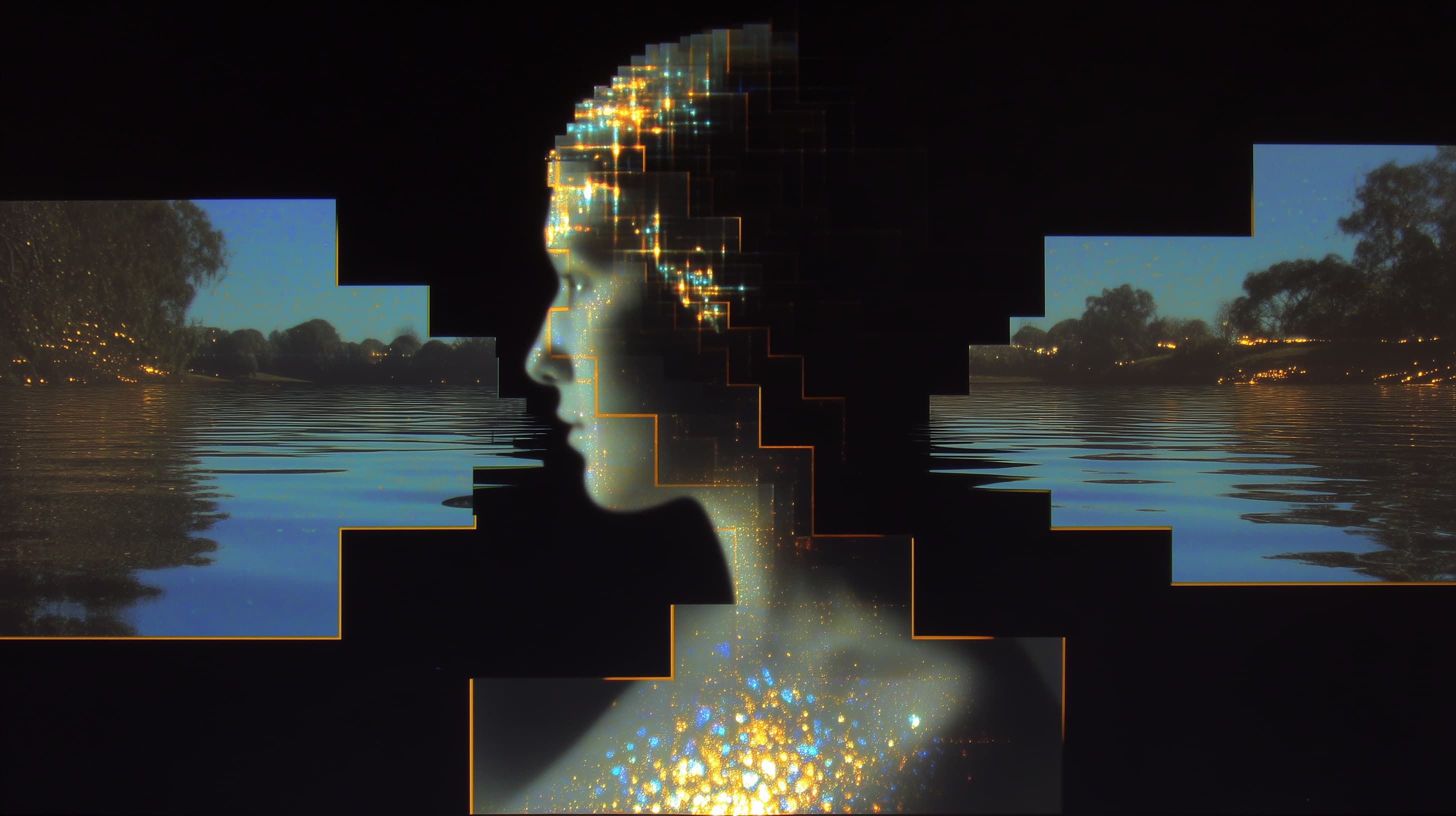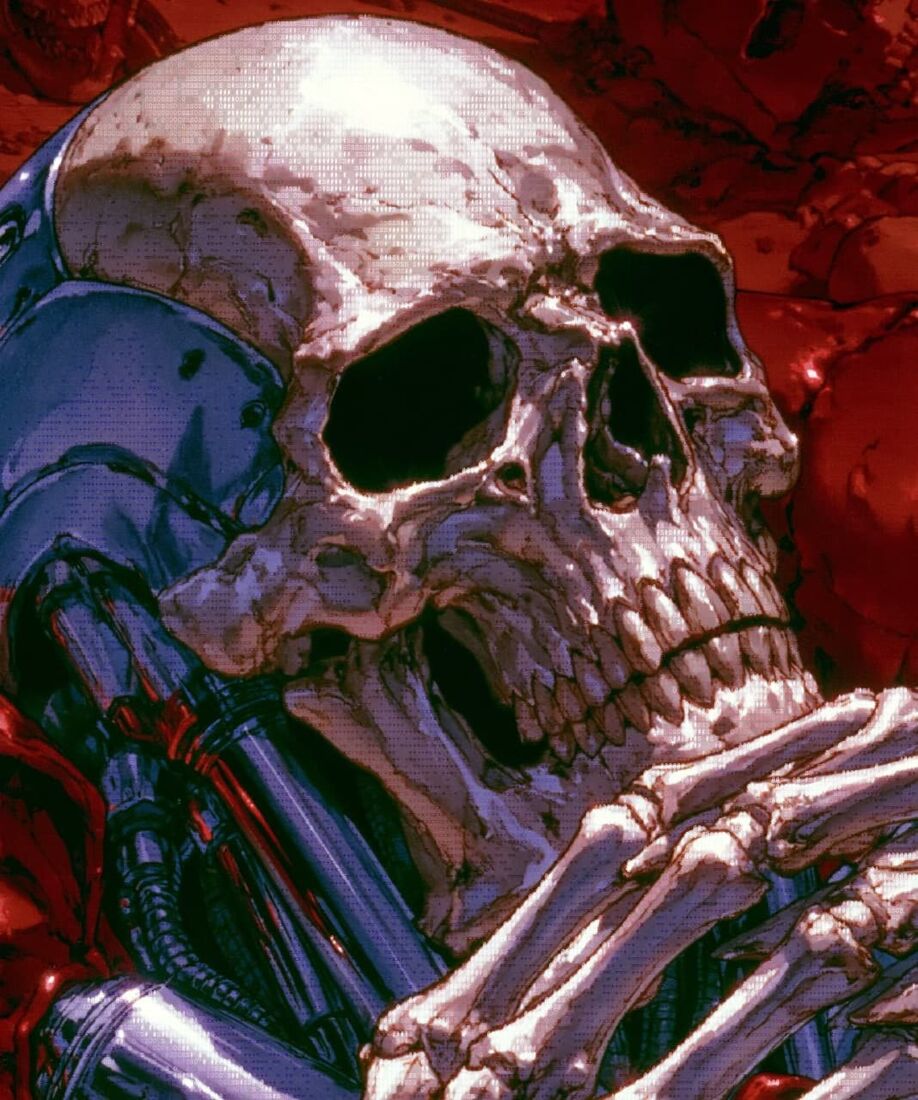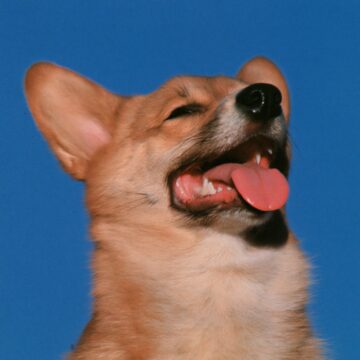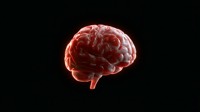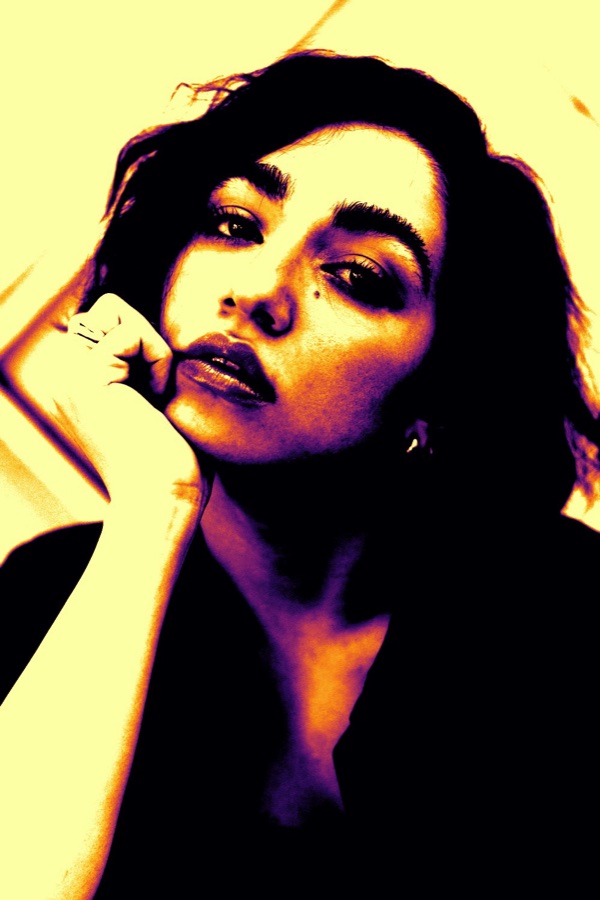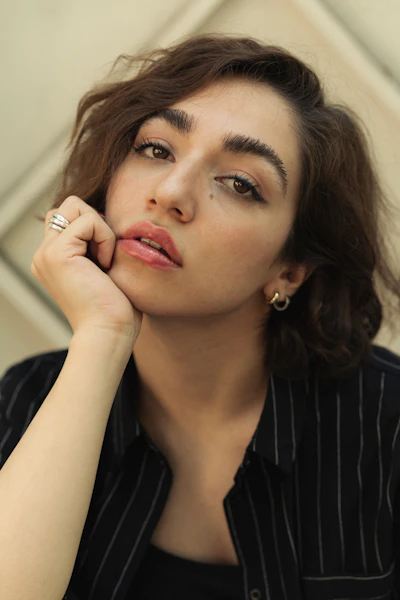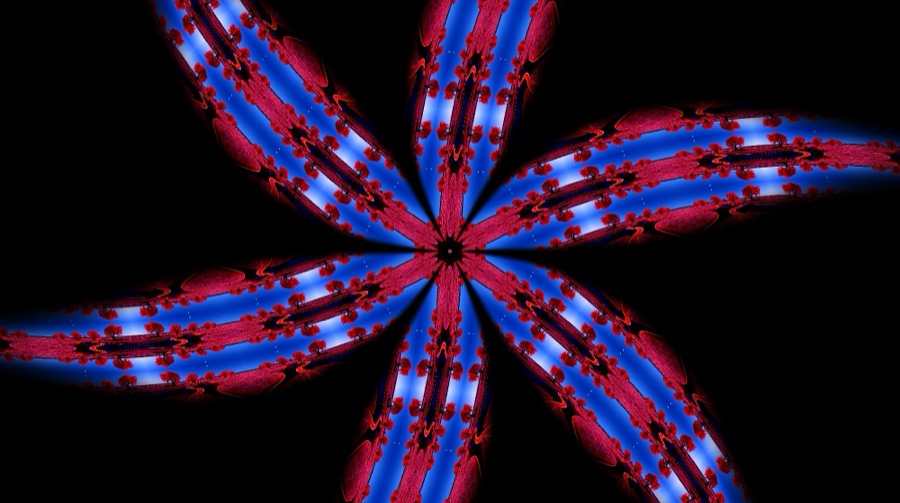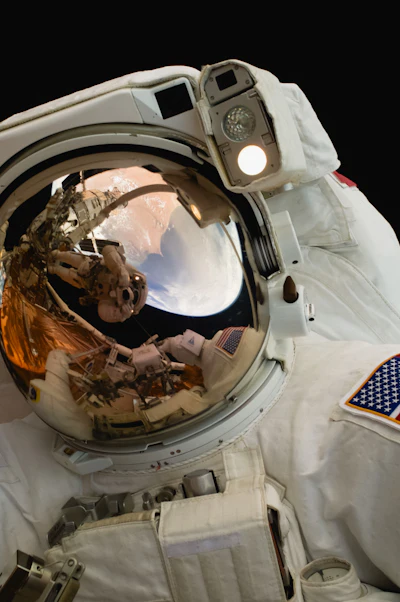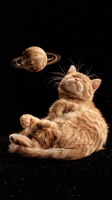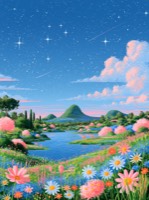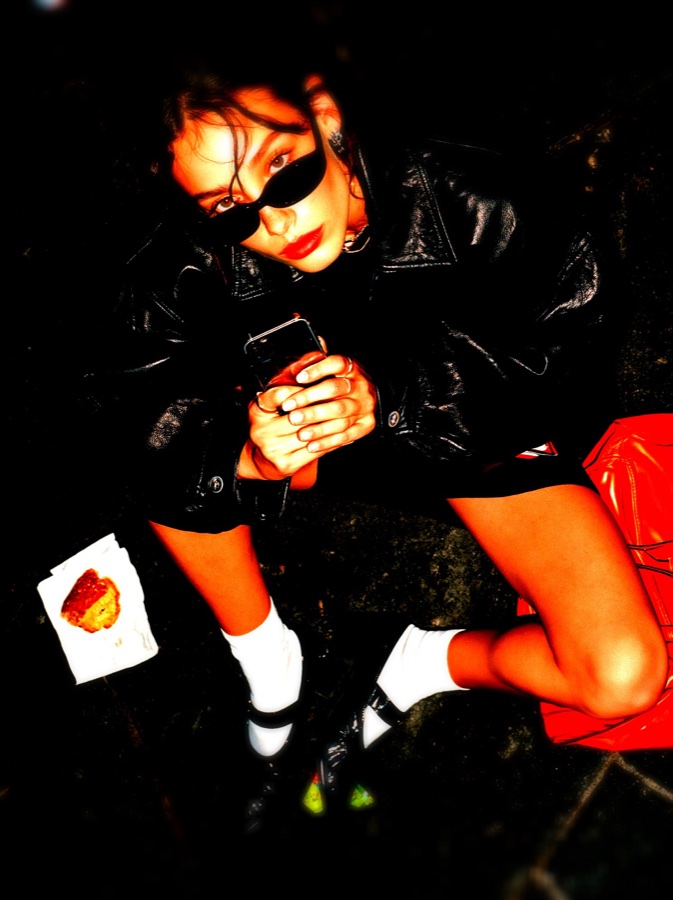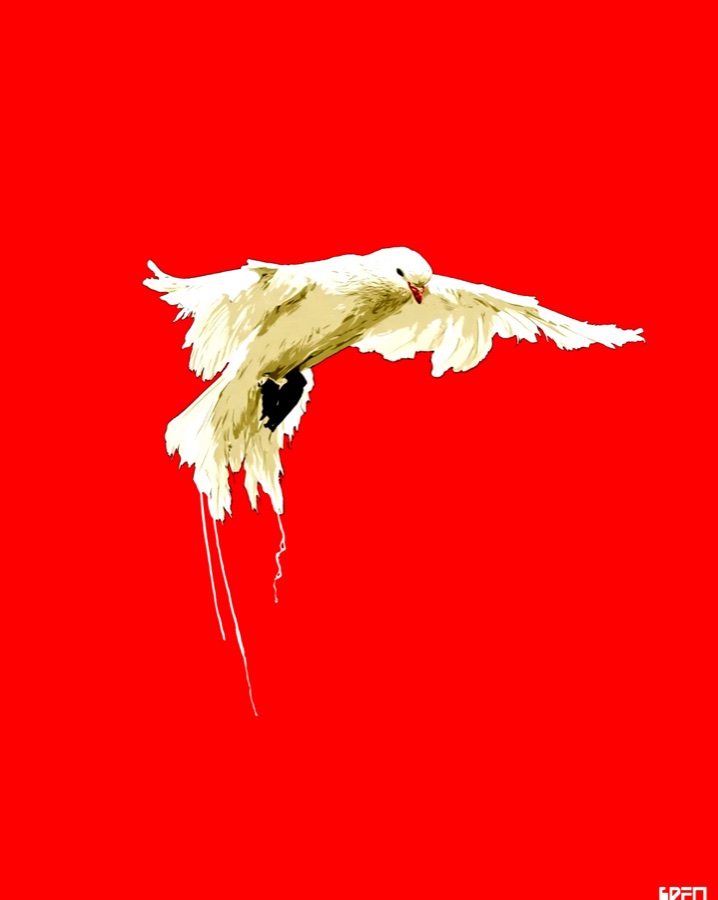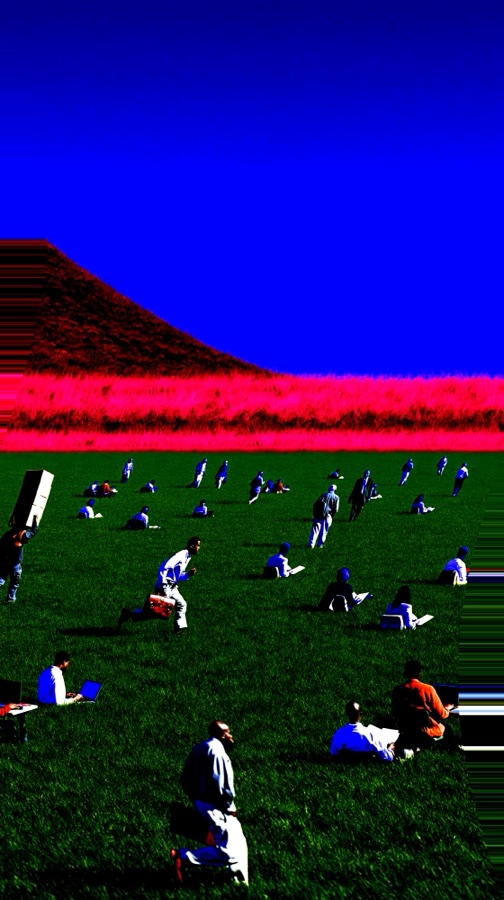

Characters, ASCII Art
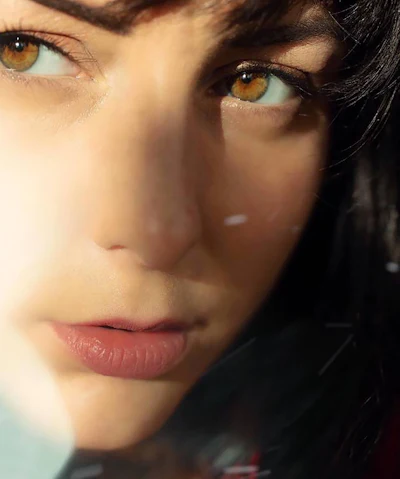
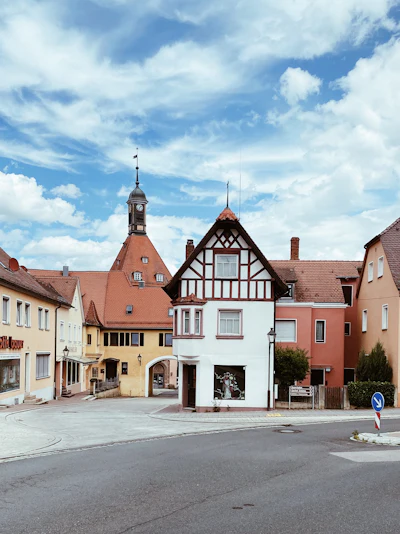
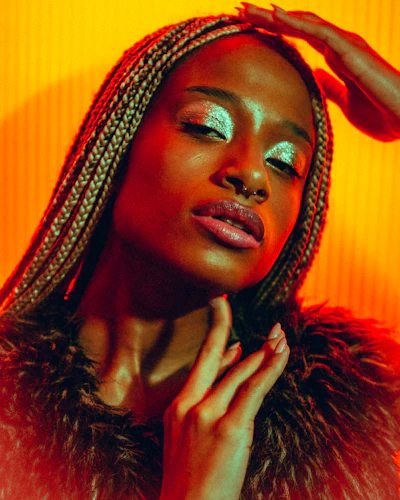
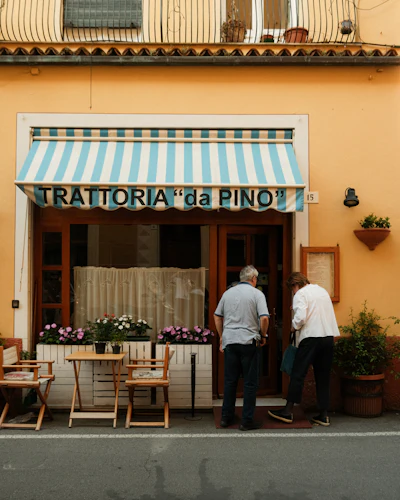
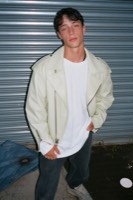
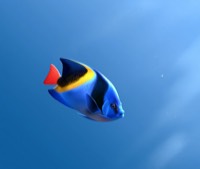
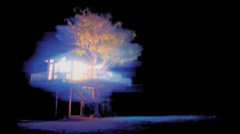
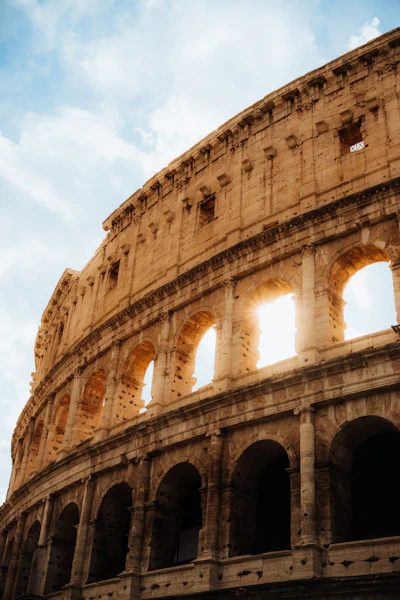
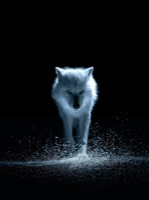
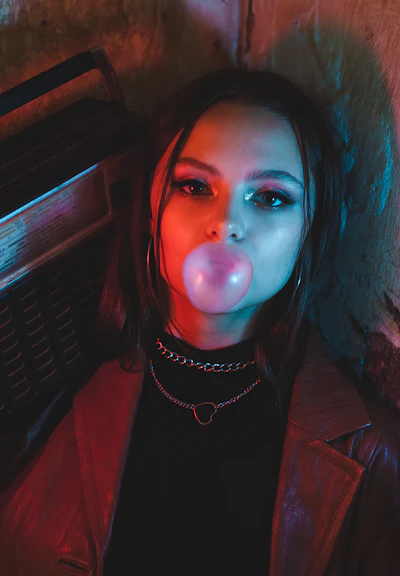
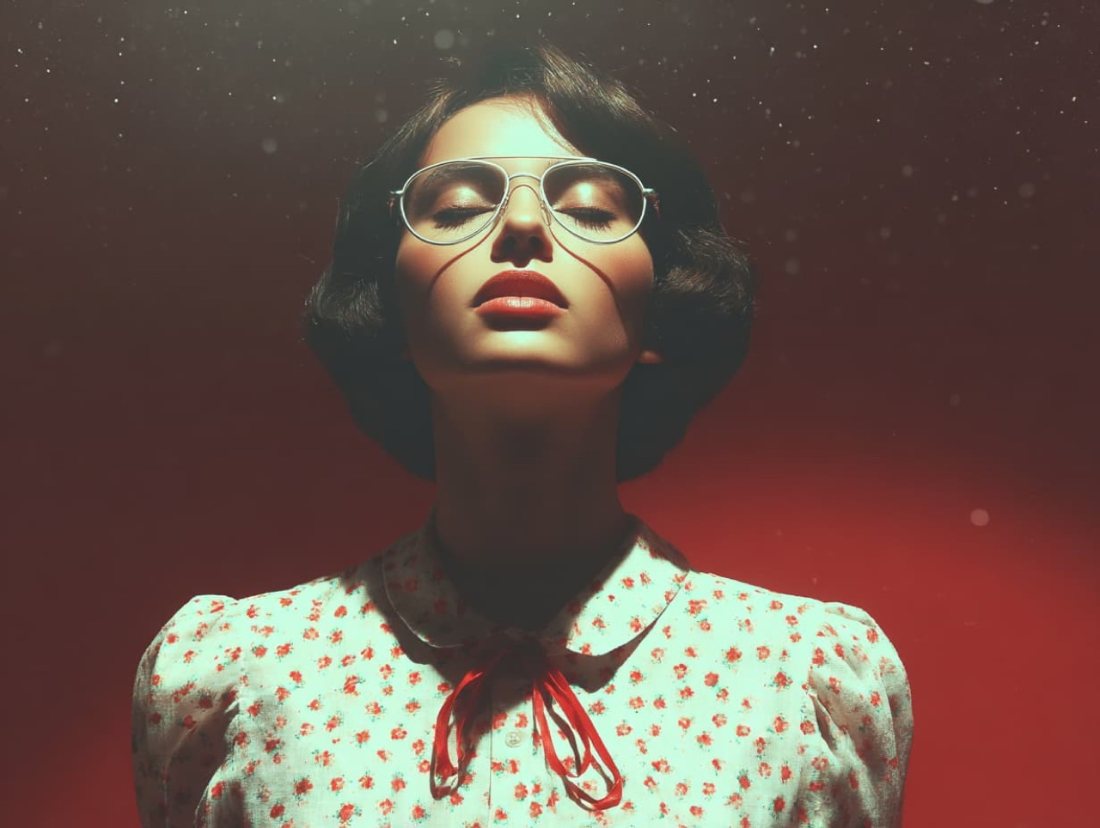
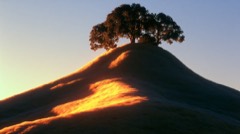
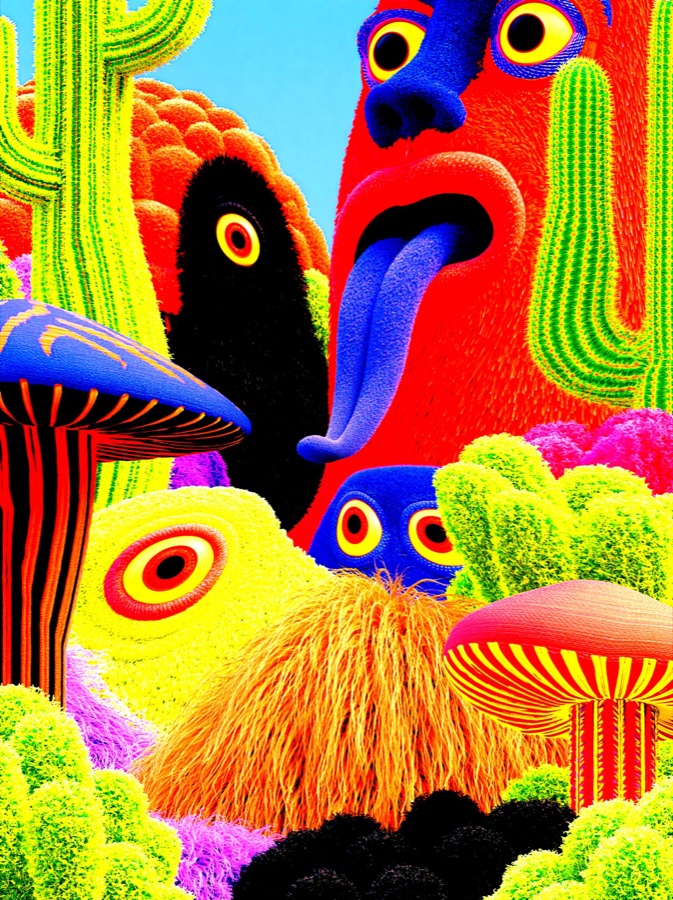
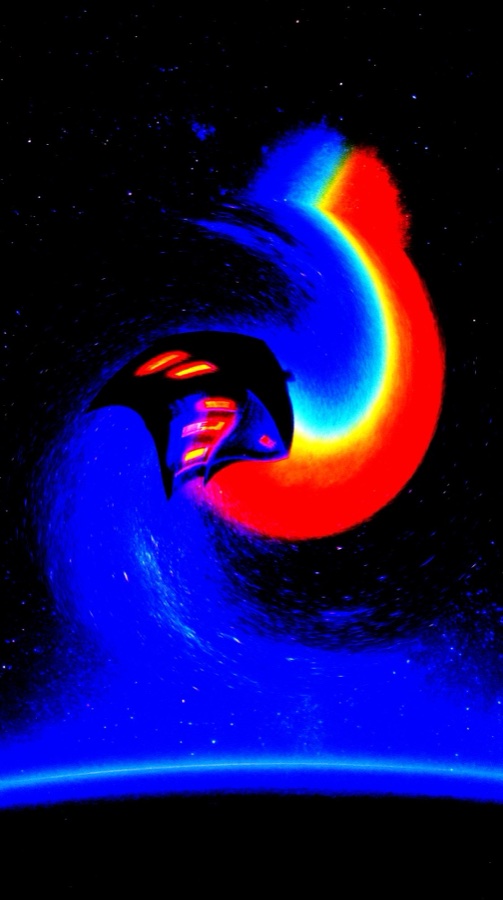
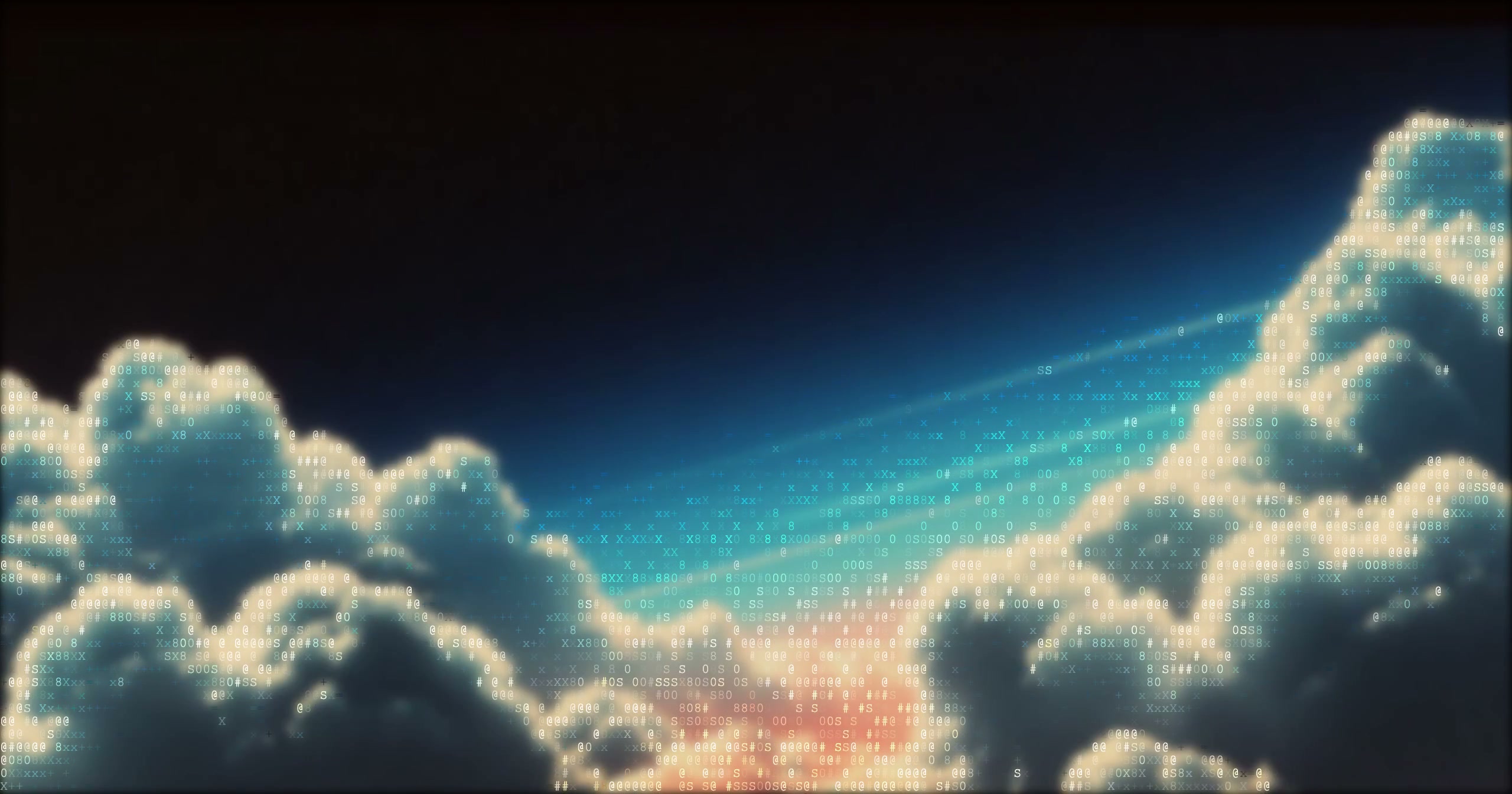
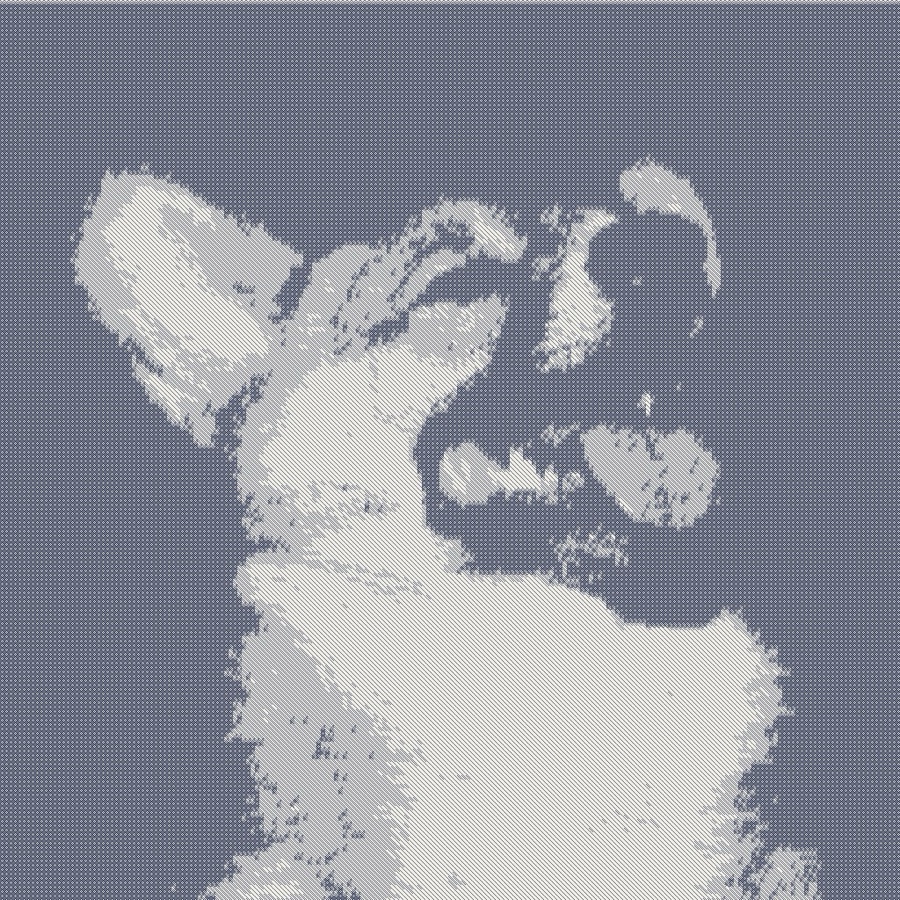
Classic ASCII art, printable characters like @, #, S, 0, 8 mapped to image brightness. The iconic text-art look.

/ALL STYLES
92 image and video styles, from classic ASCII characters and pixel art to hex mosaic, LED matrix, CMYK halftone, glitch, LEGO and dozens more. Click any style to try the look instantly on your own photo or video.
/PICK A STYLE
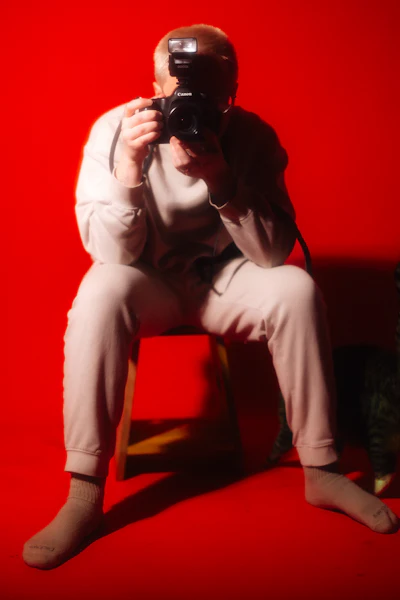
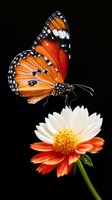
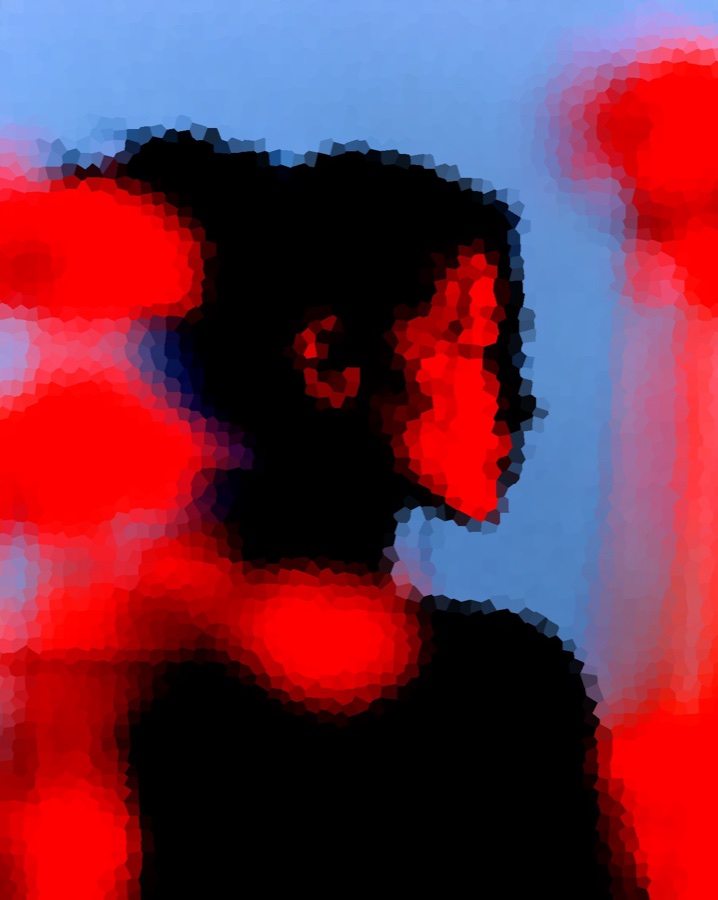
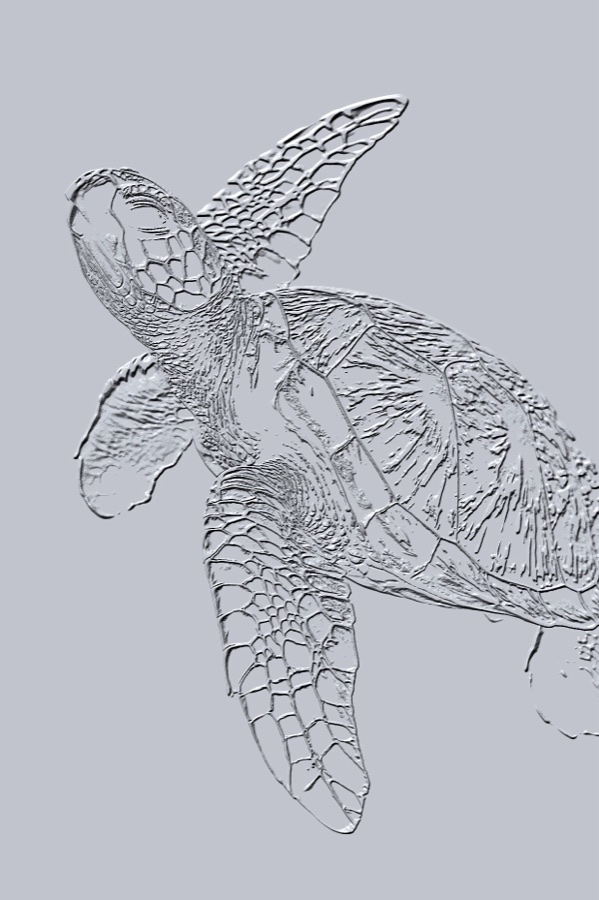
Each style is shown as the effect rendered over a photo, exactly as it renders in the editor. Hover a card to see the original, filter by family, and click any card to open the editor with that style pre-applied.
Characters used as pixels. Letters, punctuation and Unicode glyphs mapped to brightness, the look ASCII Magic is named after. Pick these when you want output you can copy as text, not only save as an image.
Classic ASCII art, printable characters like @, #, S, 0, 8 mapped to image brightness. The iconic text-art look.

Half-block, quarter-block and full-block Unicode glyphs, dense pixel-art-like detail with a terminal aesthetic.
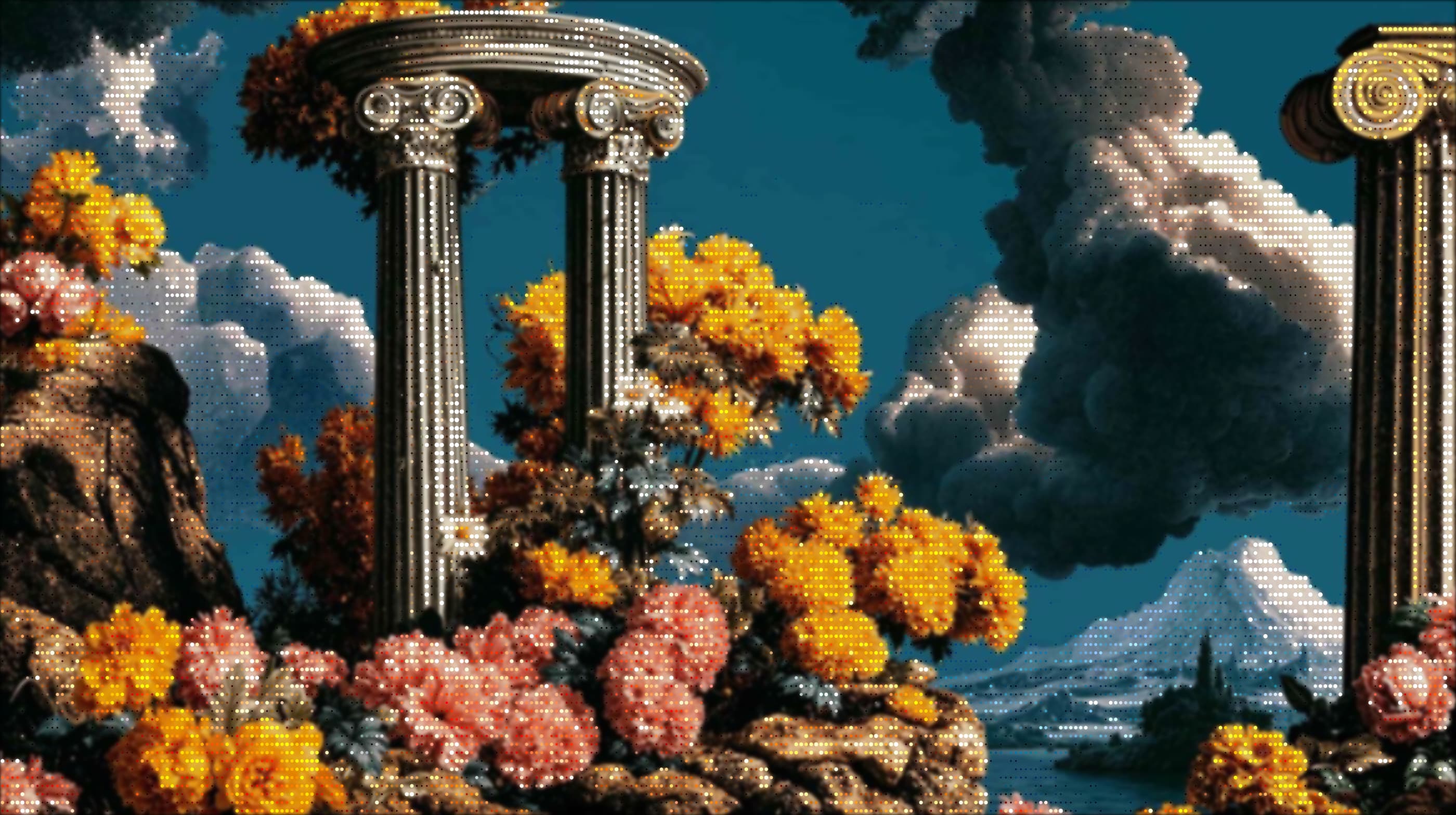
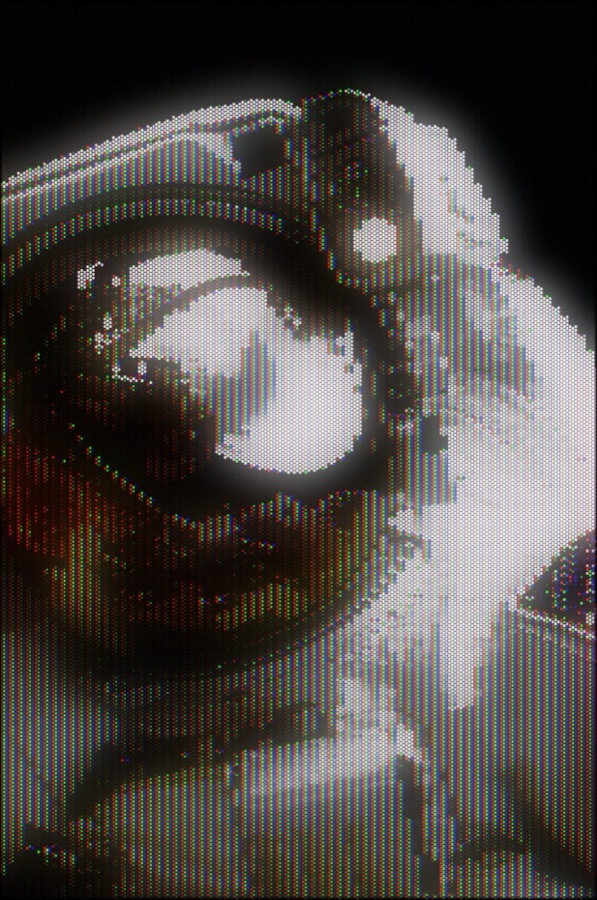
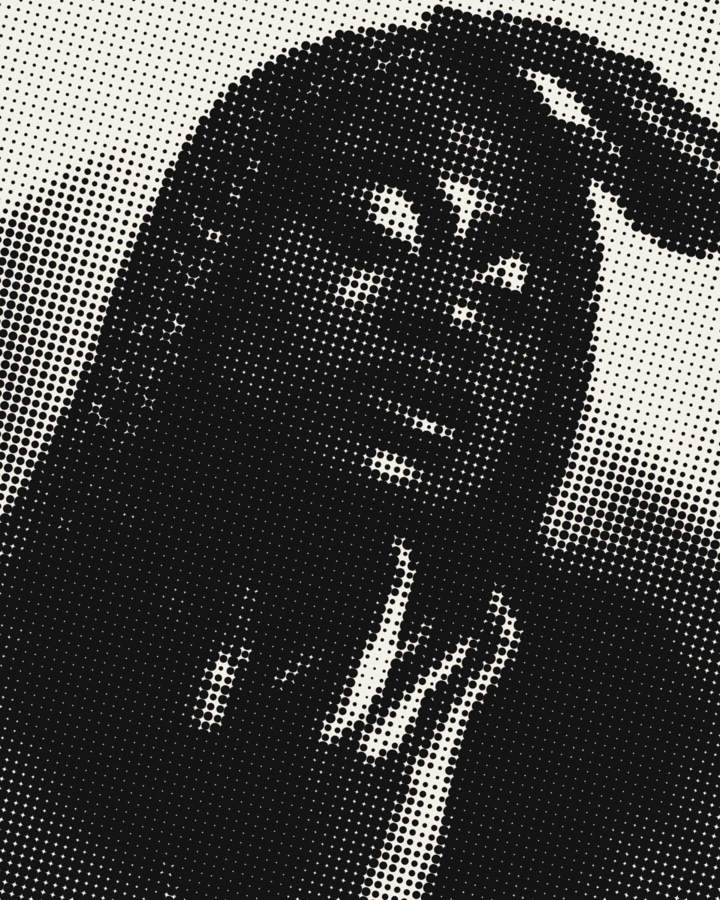
Dot matrix mode draws filled circles instead of glyphs, circles scale with brightness for a halftone-print effect.
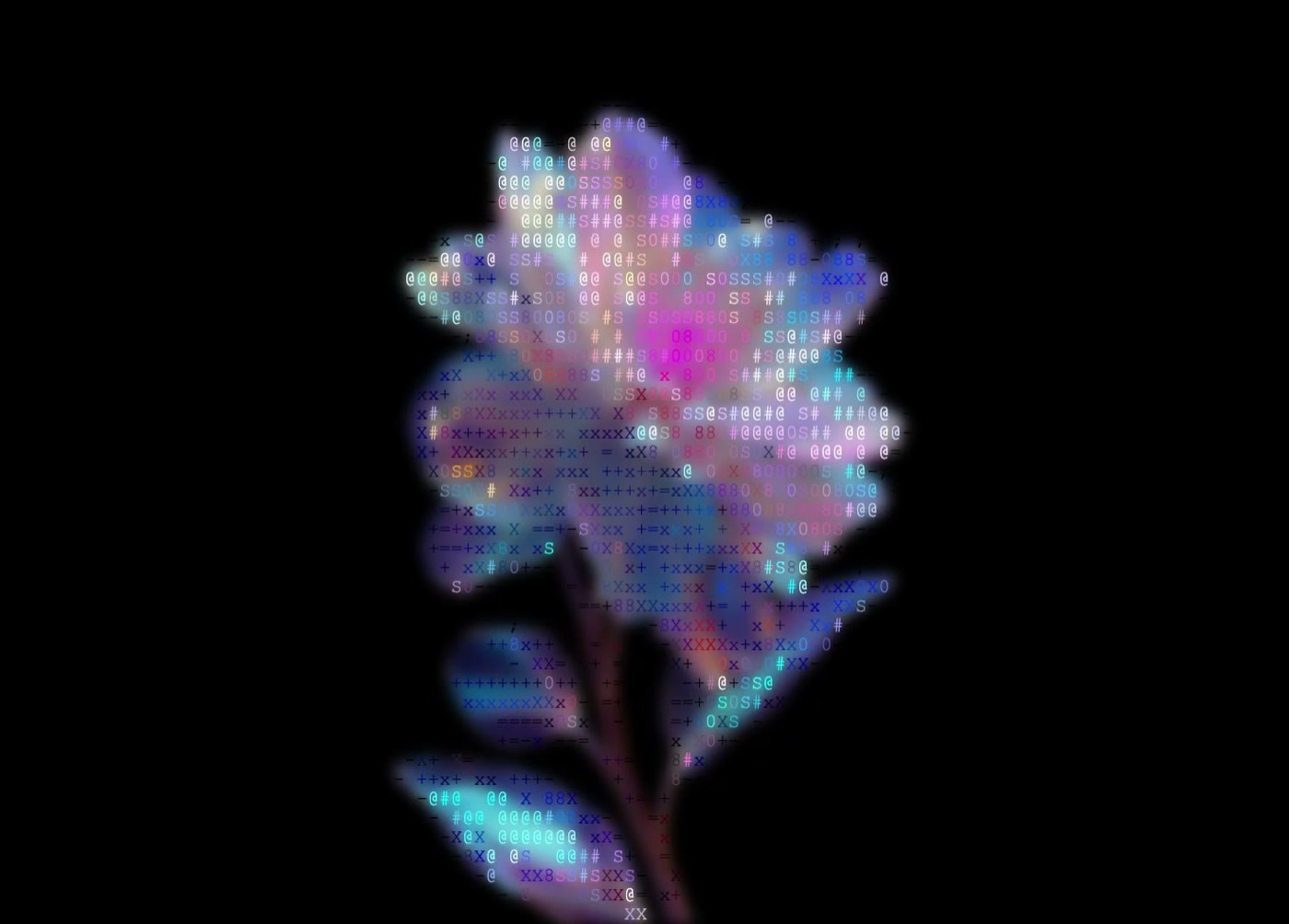
Animation mode renders every frame as ASCII for looping motion. Export as MP4 or GIF.

Composite ramp combining multiple character families for richer textural detail. Use for portraits and high-detail scenes.
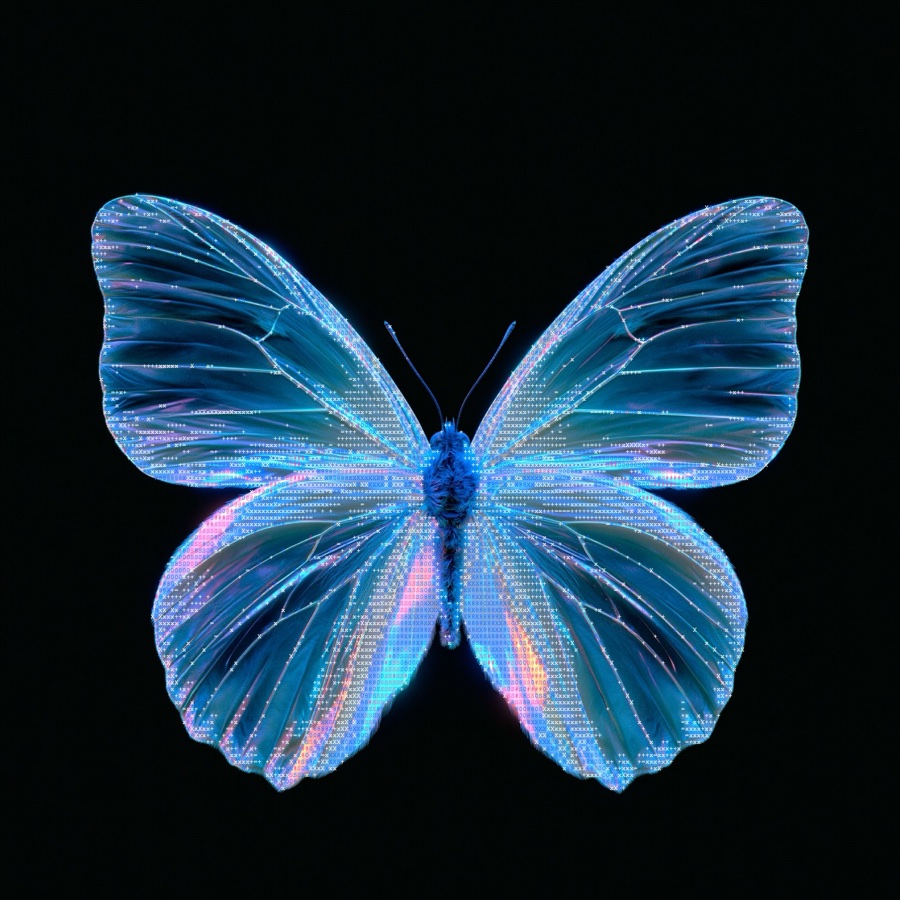
Studio-grade ASCII: palette shapes or glyphs on a black backdrop for fine, poster-ready detail.
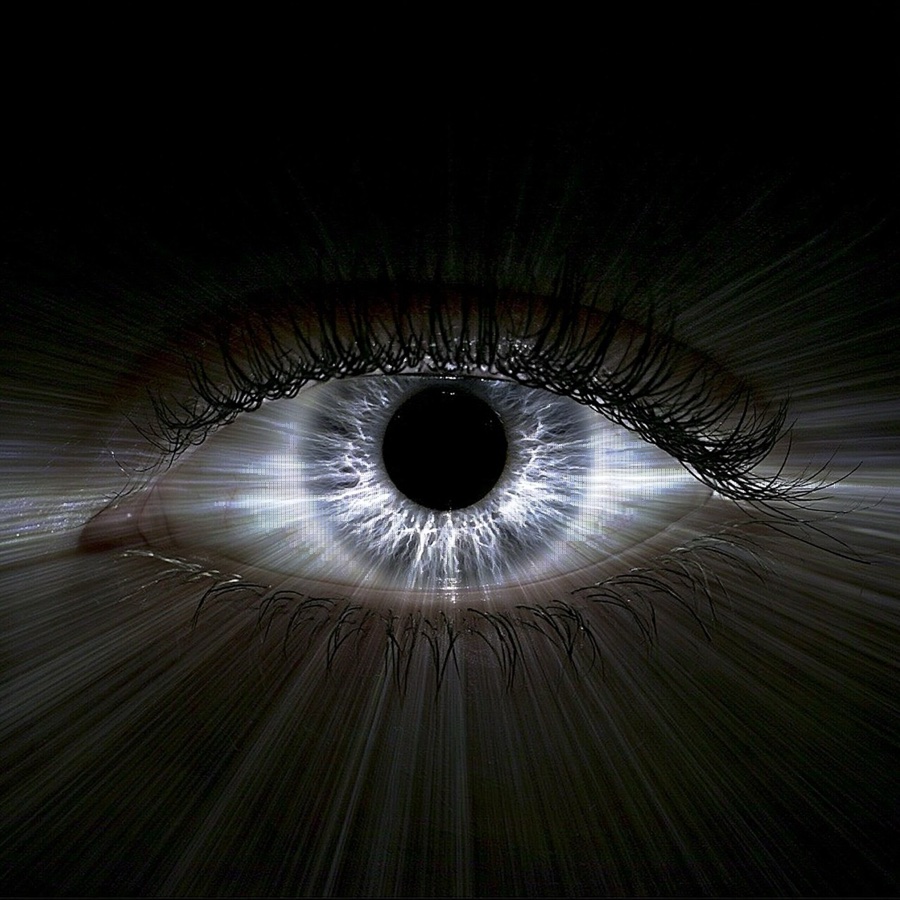
8-dot Unicode braille cells pack the highest-resolution, dense monochrome text art.
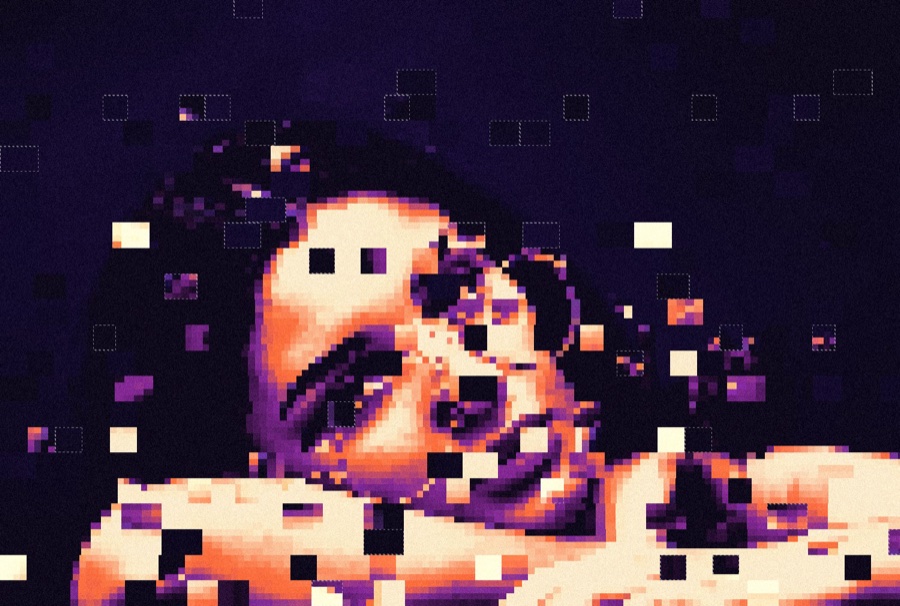
Resolution thrown away on purpose. Square pixels, block characters and brick grids that rebuild a photo out of a few large, flat units.

Square pixel grid with quantised palette. Turn any photo into clean 8-bit, 16-bit or modern indie pixel art.

Every cell becomes a coloured tile sampled from the original photo. Pick square, wide or tall shapes for different feels.

Posterised LEGO-style studded tiles with raised-dot highlights. Looks like a brick mosaic of your photo.

3D isometric cubes with per-face shading, adjustable cell size and outline. Turn a photo into voxel art.
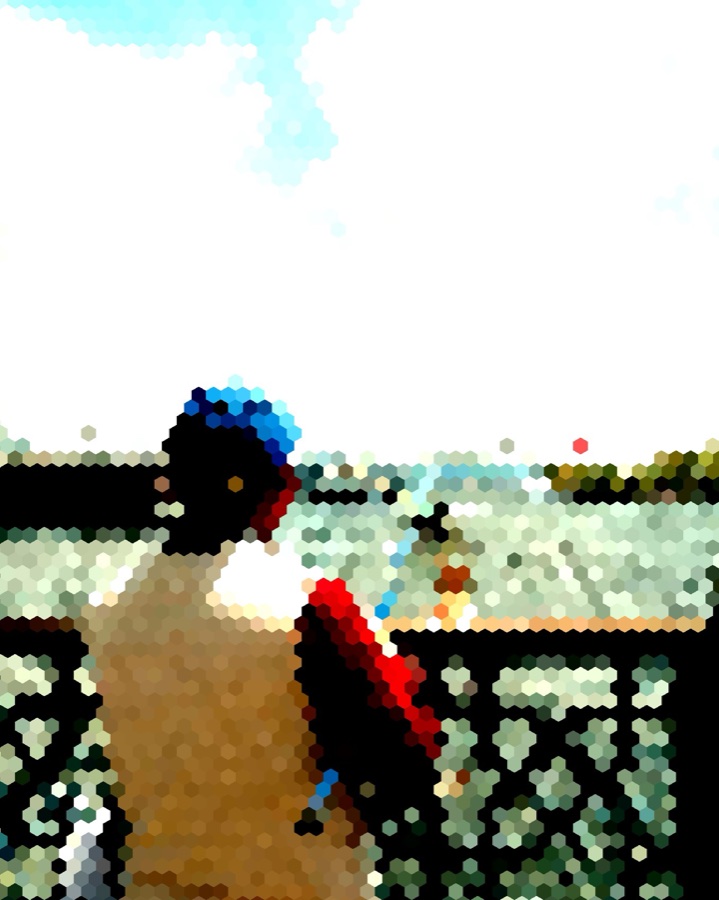
A honeycomb of hexagonal tiles, each the average colour of the area it covers.
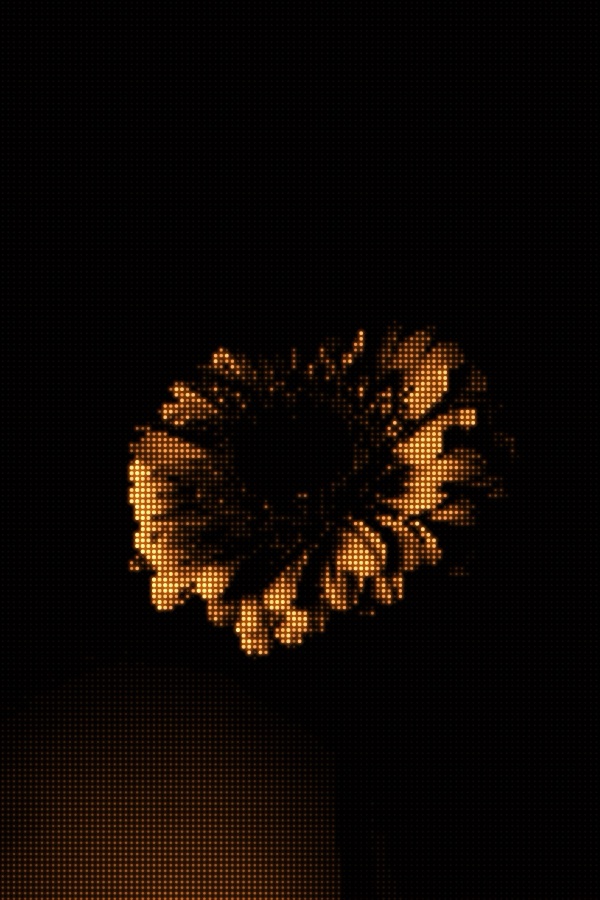
A glowing LED sign, round, SMD, RGB or marquee bulbs with tunable glow.
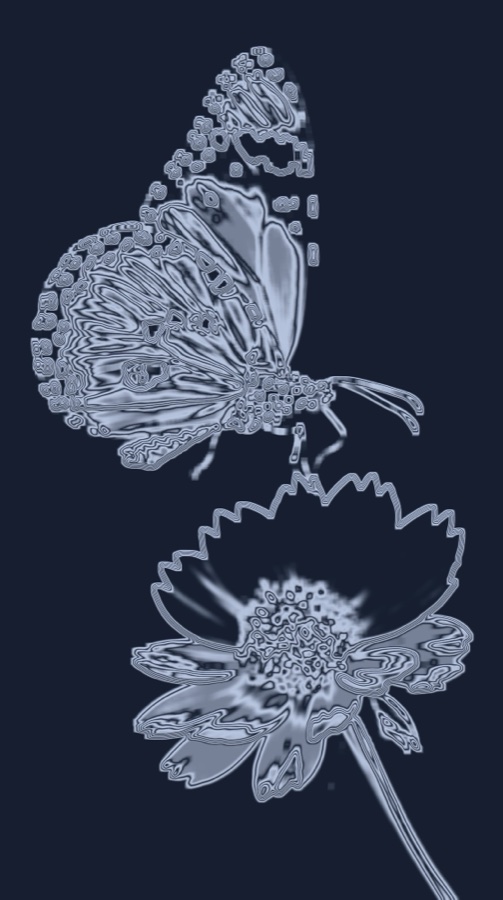
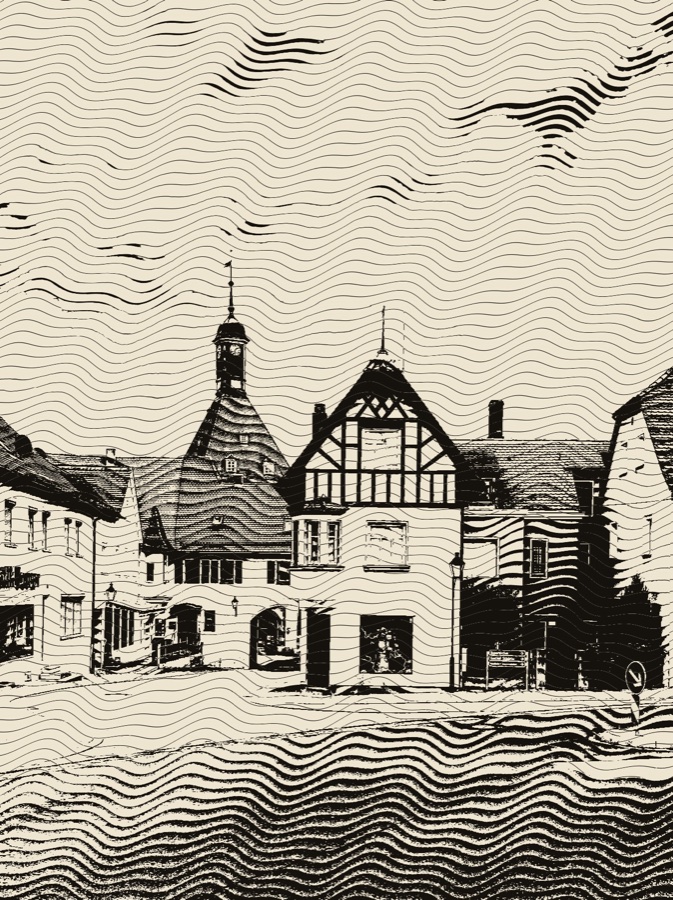
Ink on a press. Halftone dots, dithering, engraving, risograph and screen-print separations, the techniques invented when a printer could only lay down solid ink.
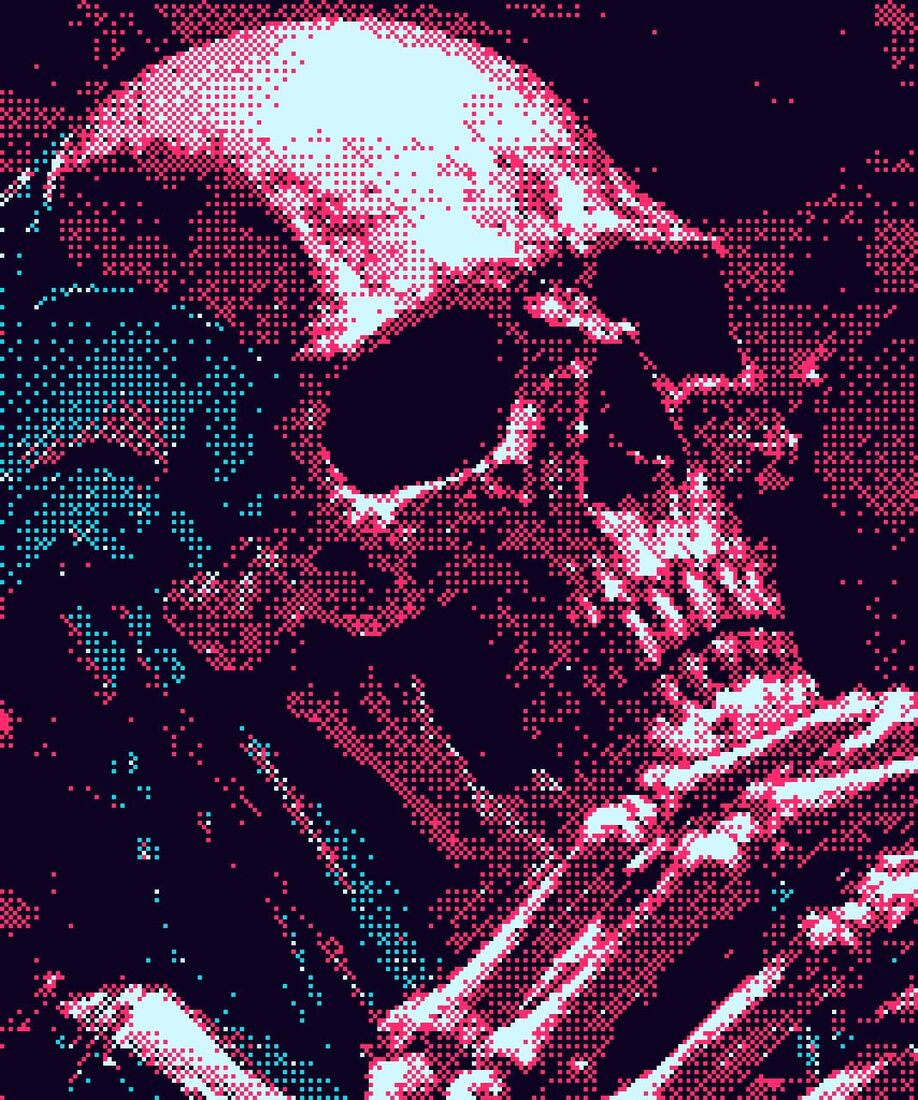
Floyd–Steinberg, Atkinson, ordered/Bayer, halftone & line dithers across 16 retro palettes (C64, Game Boy, PICO-8), with animated matrices.
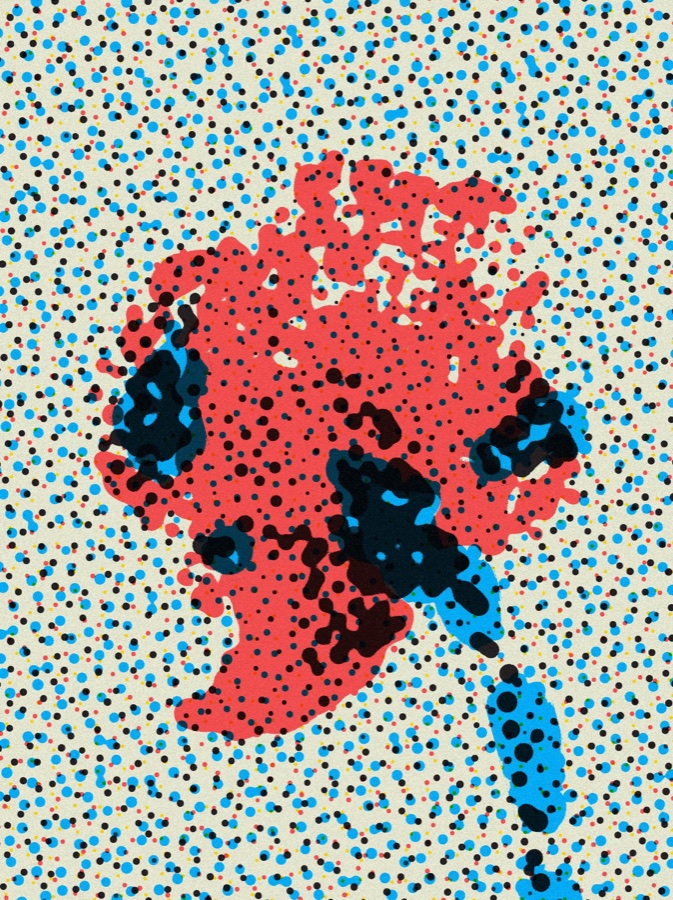
A real CMYK print, cyan, magenta, yellow and black ink dots over paper.
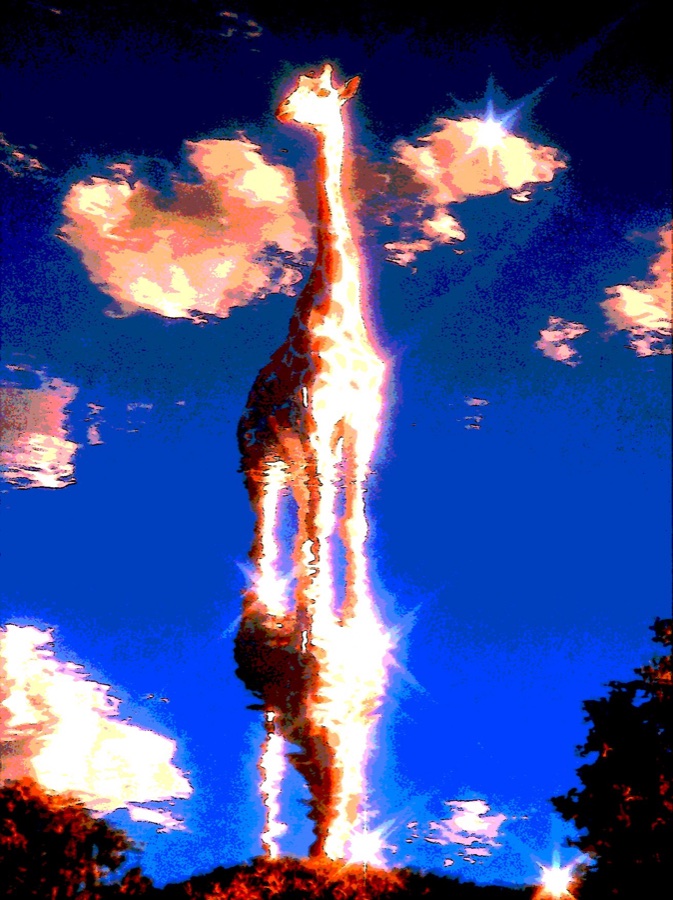
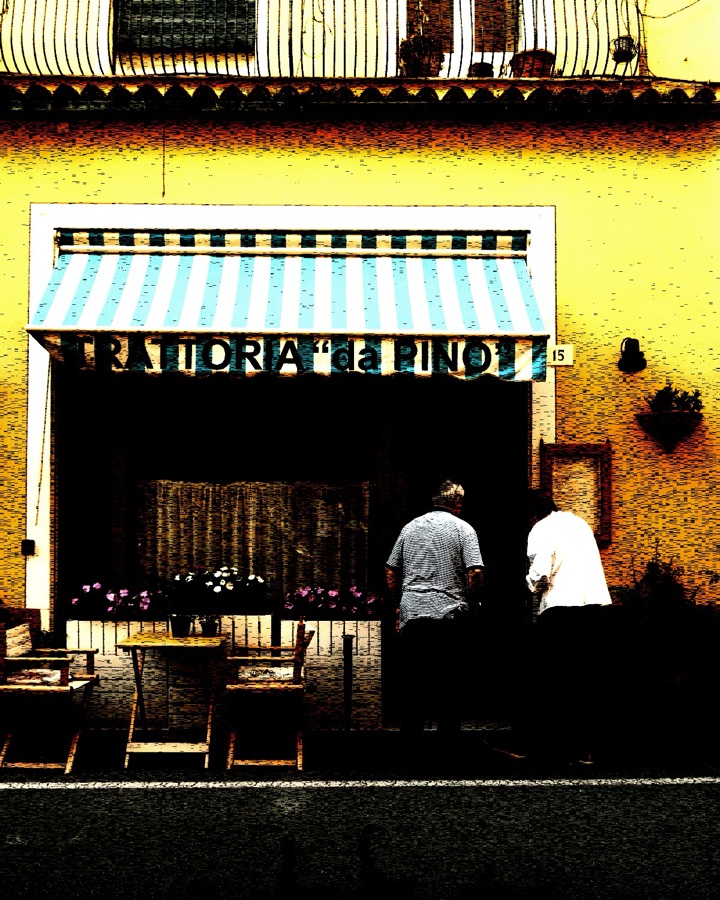
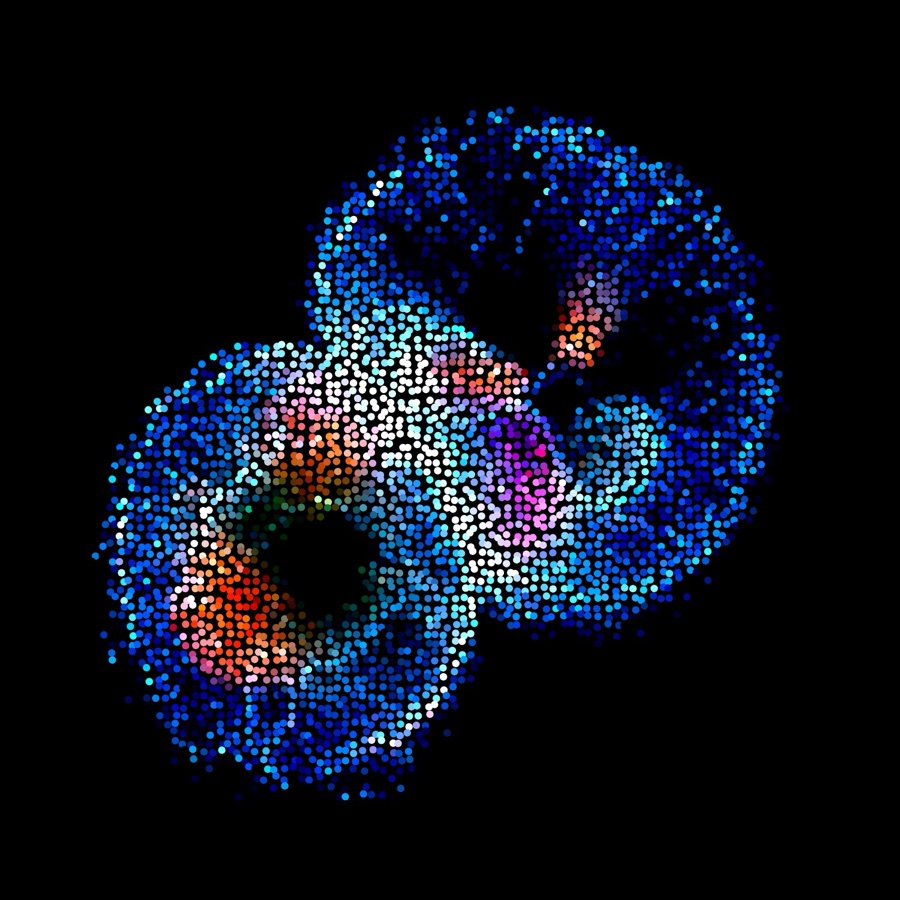
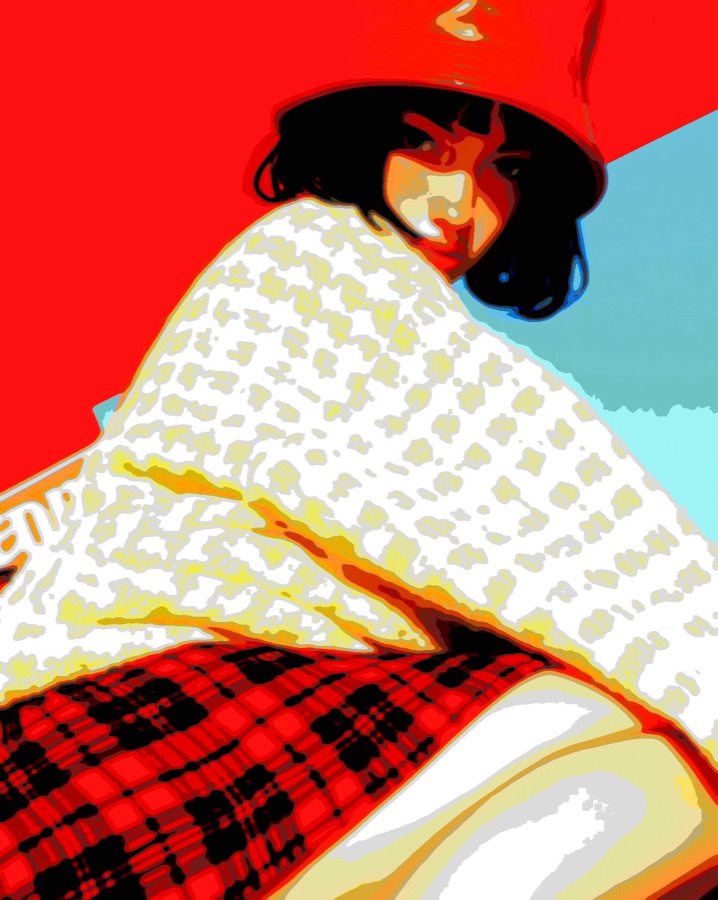
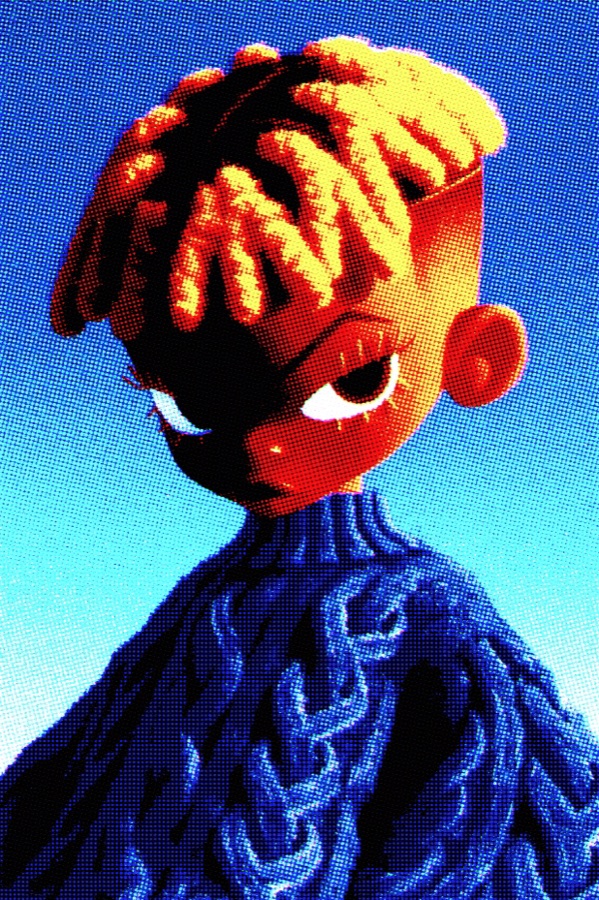
Japanese woodblock print, flat colour planes with a hand-carved, inked feel.
Shape as the unit. Hexagons, triangles, lattices, isometric cubes and flow fields that rebuild an image from one repeating construction.

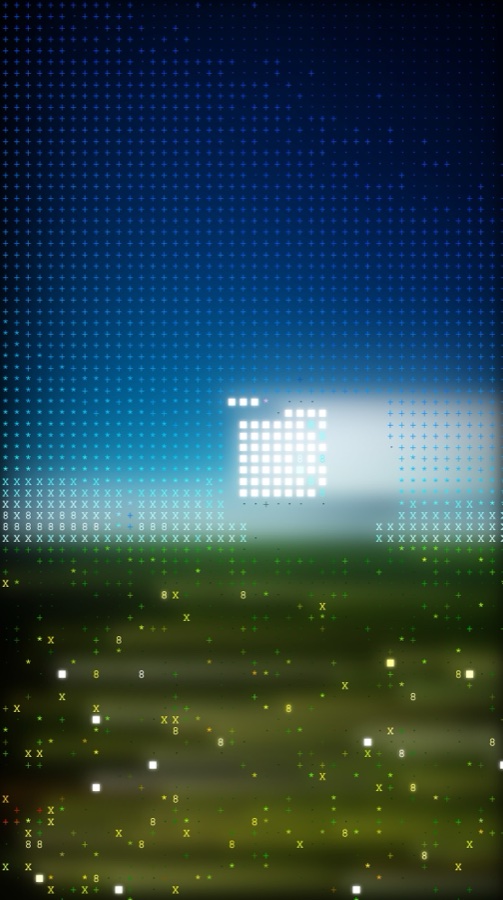
Plus and × glyphs form a hatched grid texture across the image. Crisp, graphic, monochrome friendly.

Slashes form a directional weave texture, gives images a brushed, sketched feel.

Sharp jewel-like diamond glyphs ◆ with brightness-driven sizing. Premium, decorative, ornate.

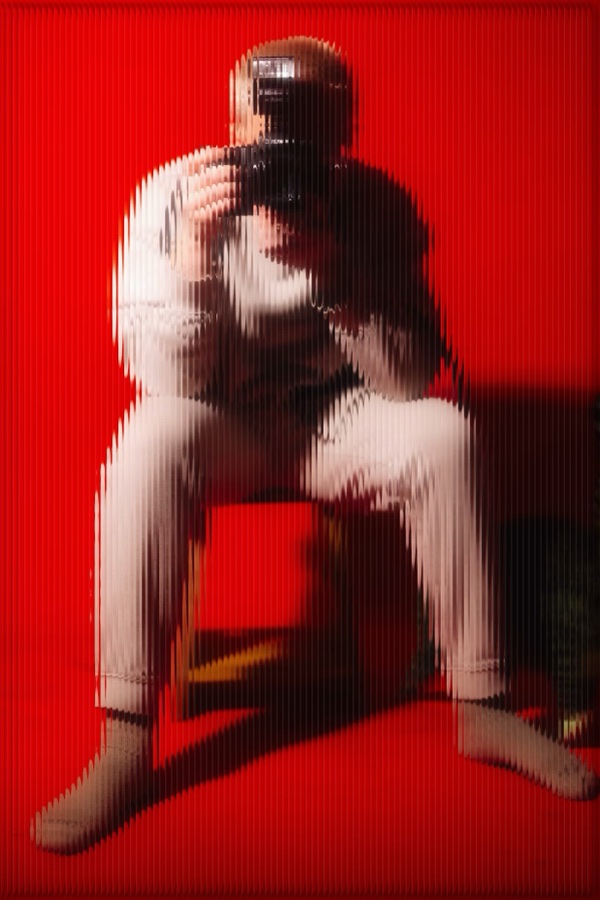
Vertical line glyphs that read like rain or barcode static, minimal, graphic, hypnotic.
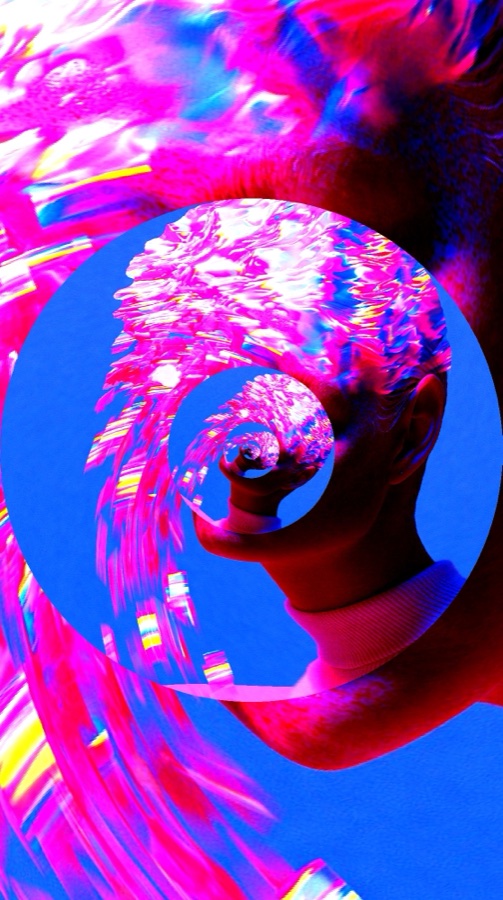
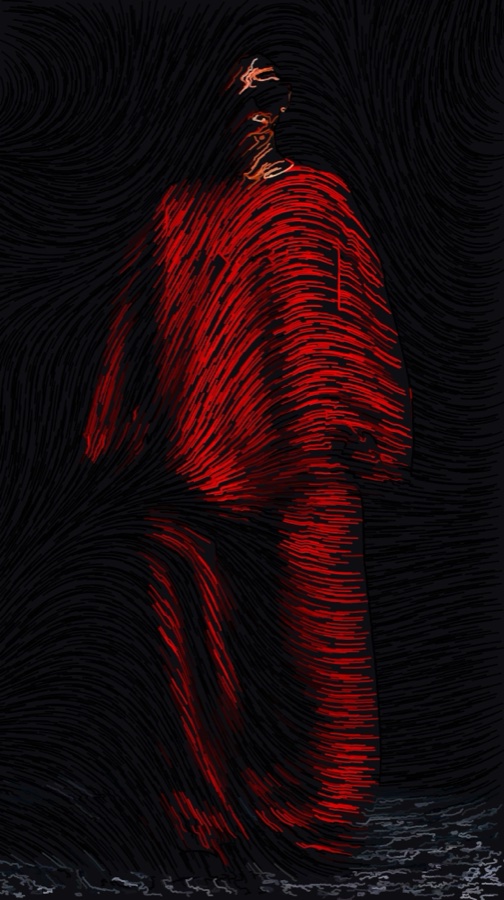
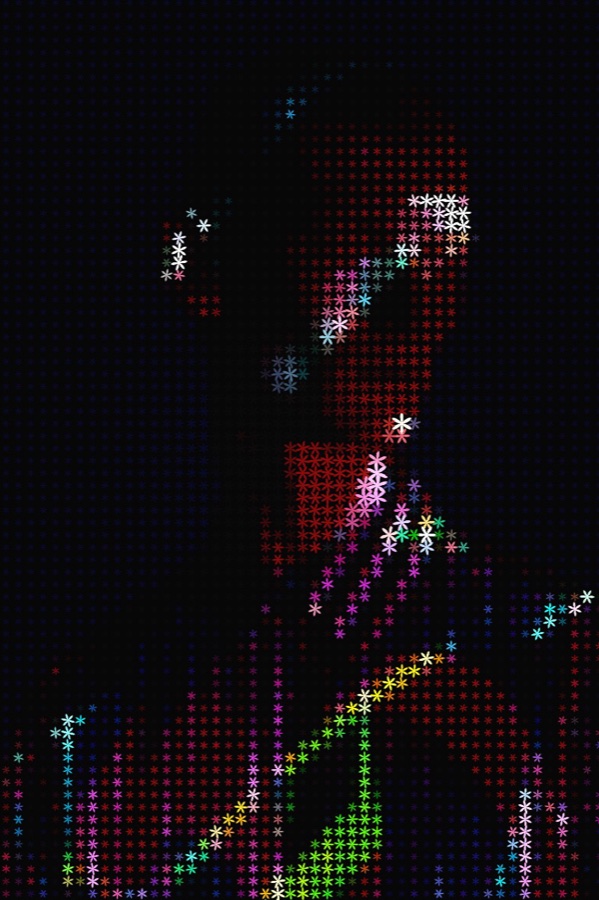
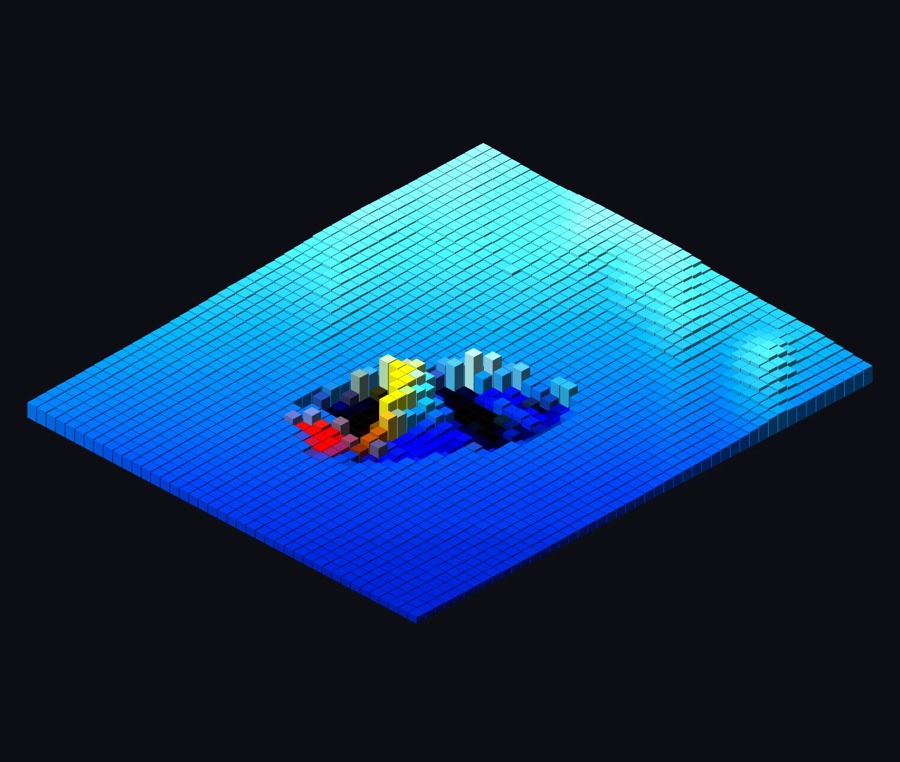
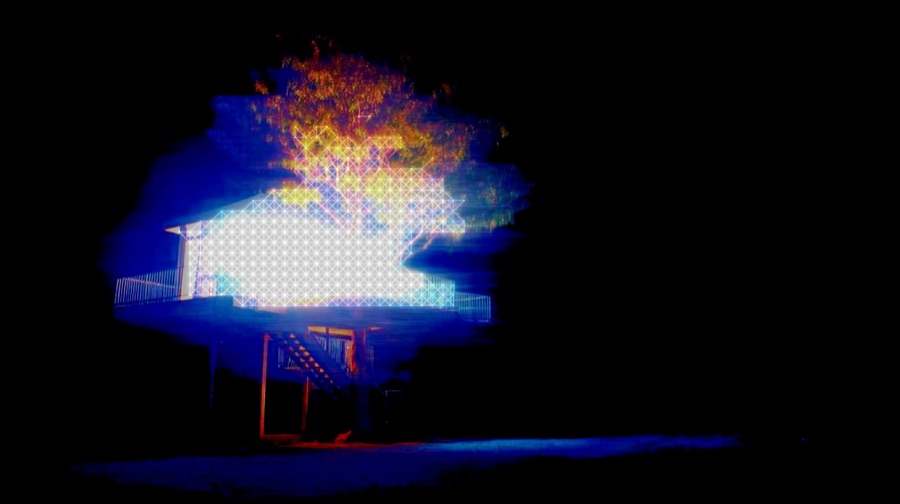
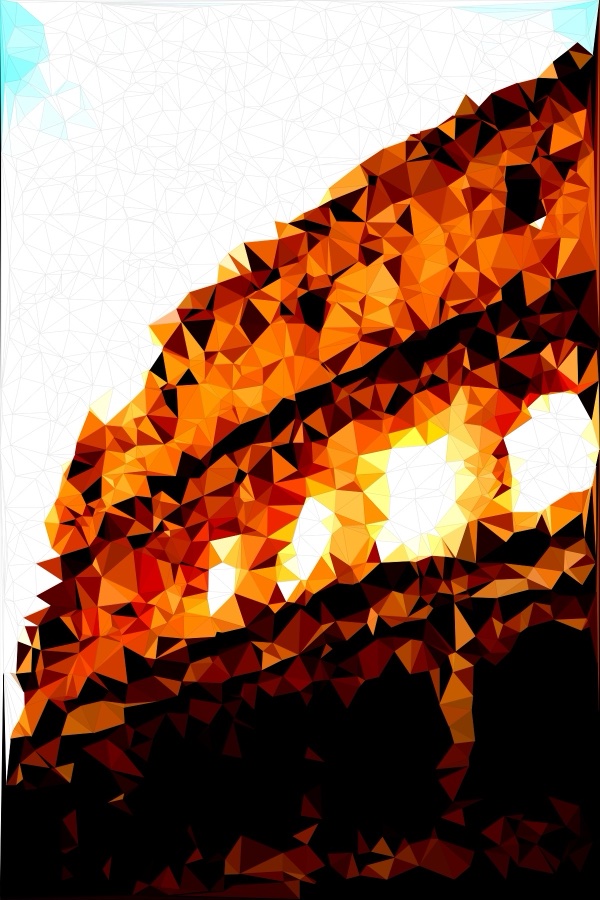
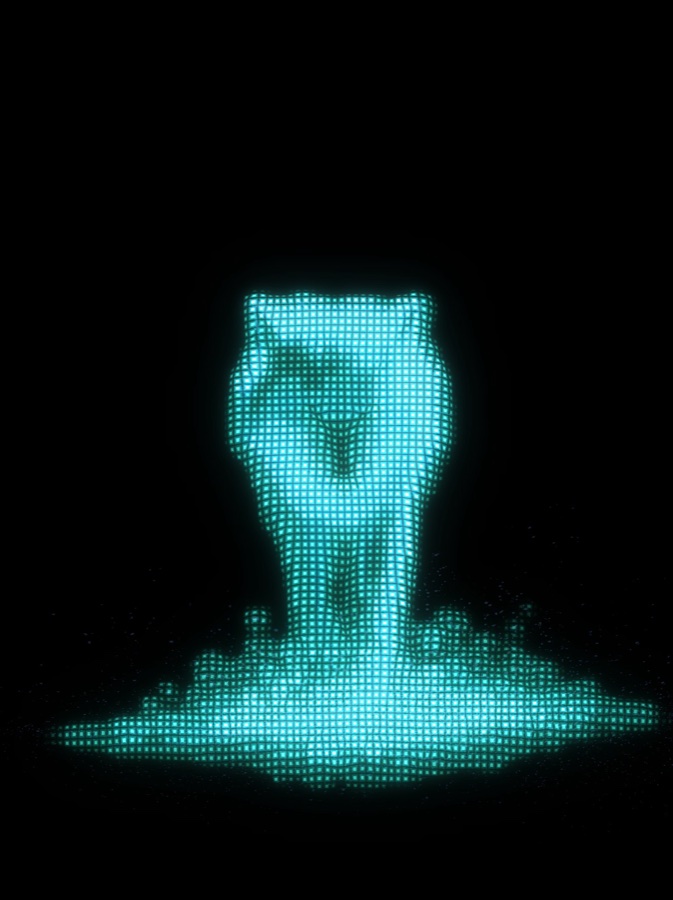
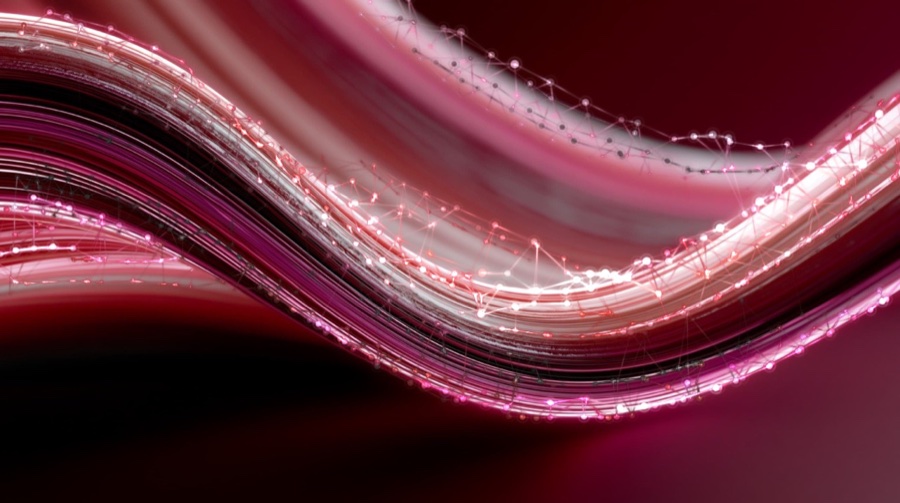
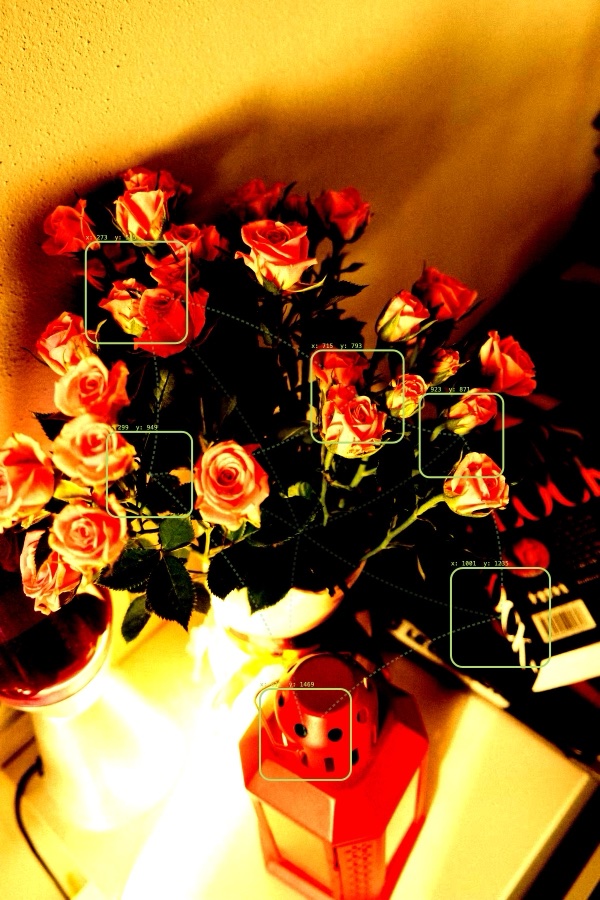
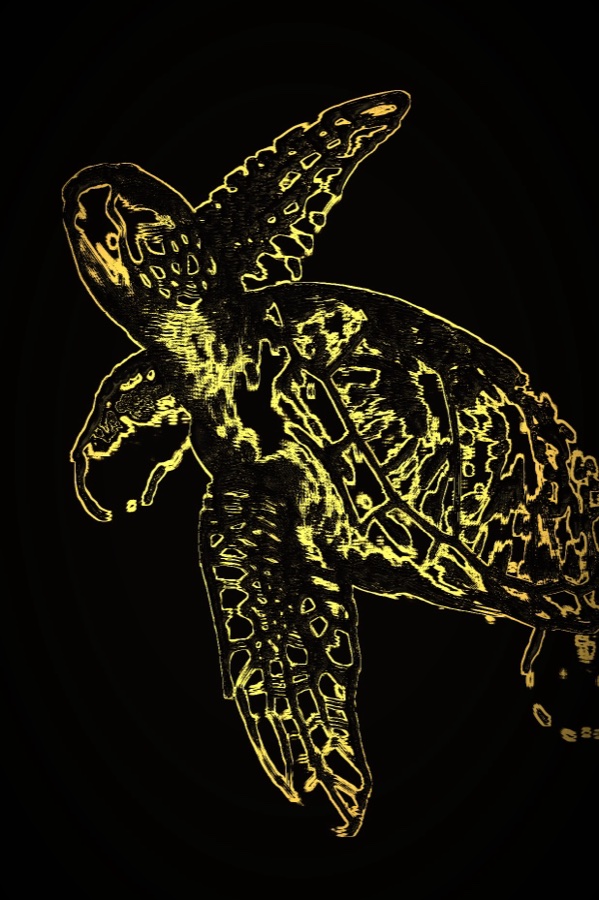
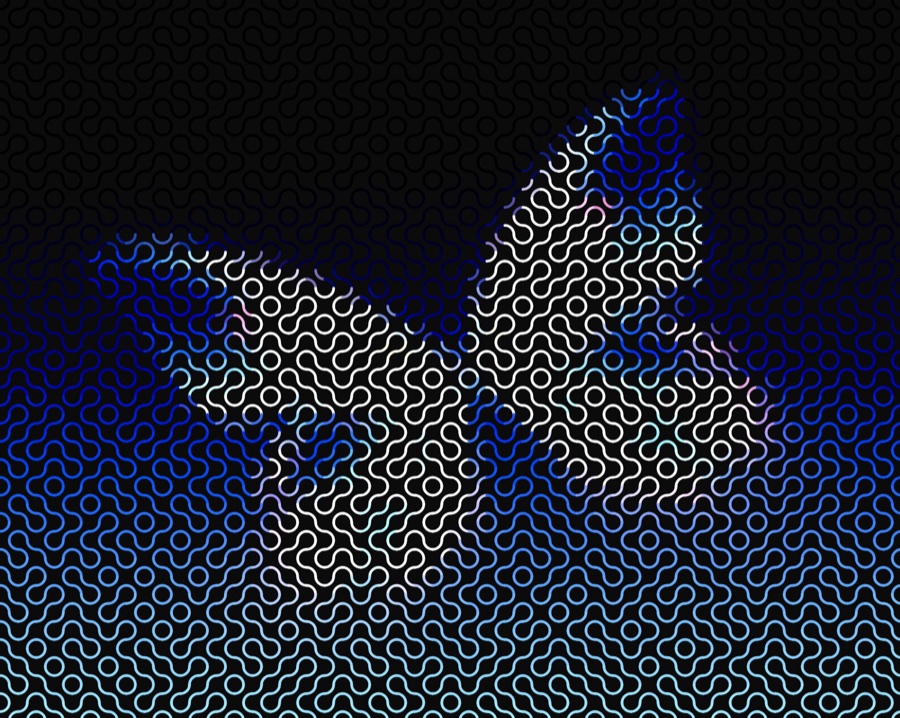
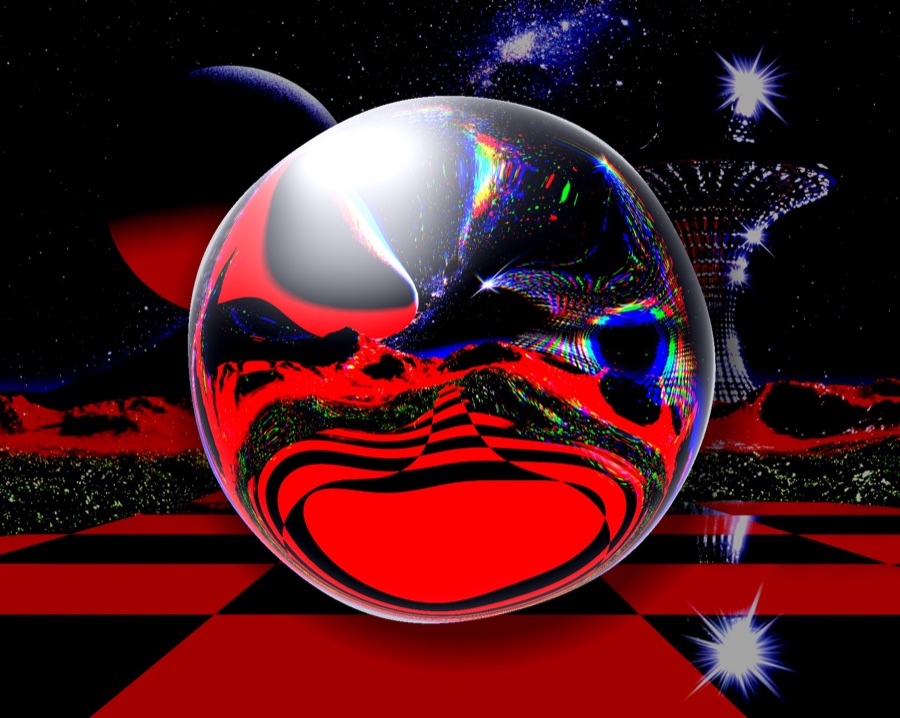
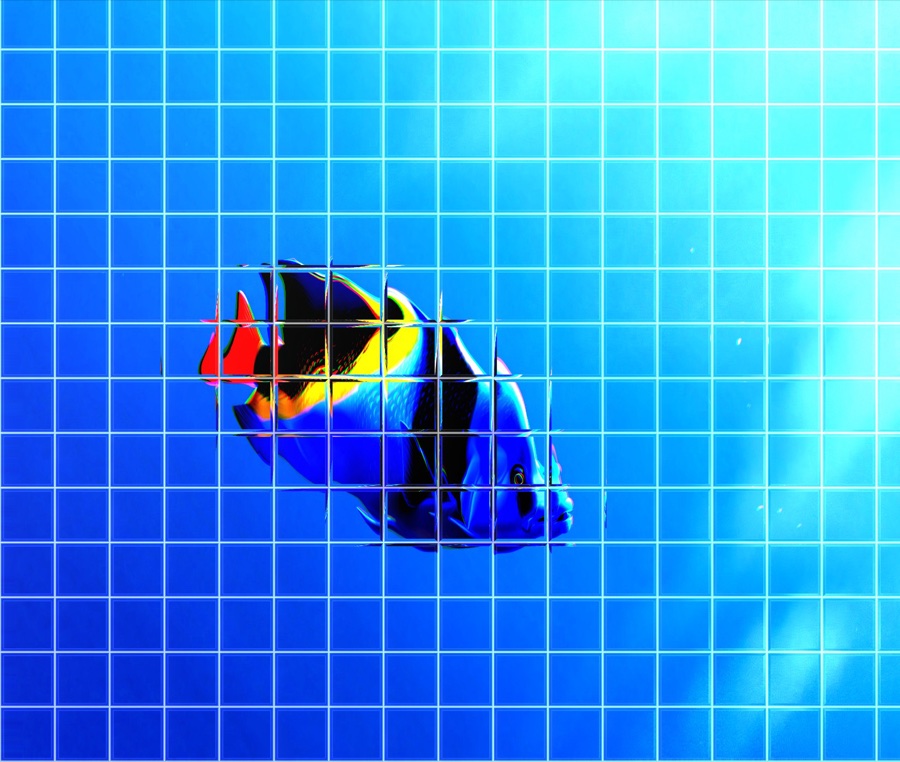
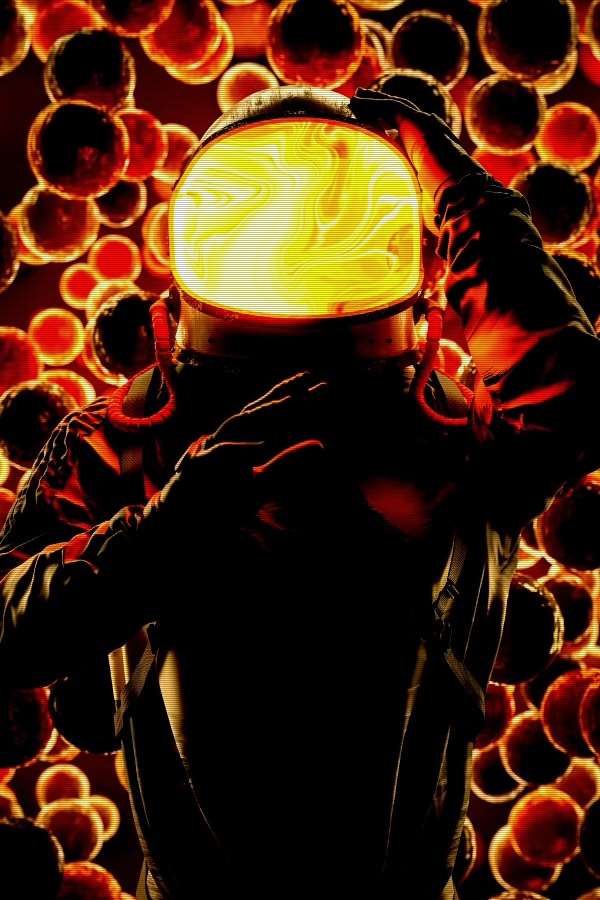
Refraction rather than recolouring. Fluted, frosted and tinted panels, orbs and shatter patterns that bend whatever sits behind them.
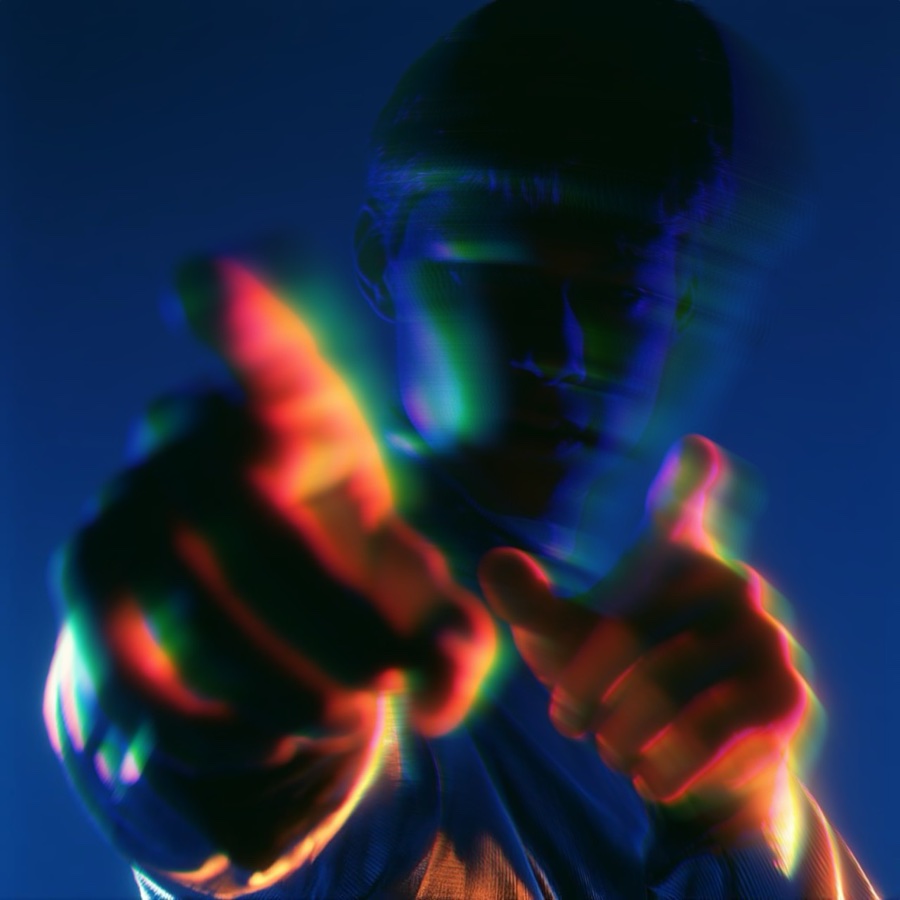
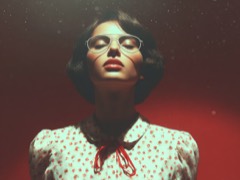
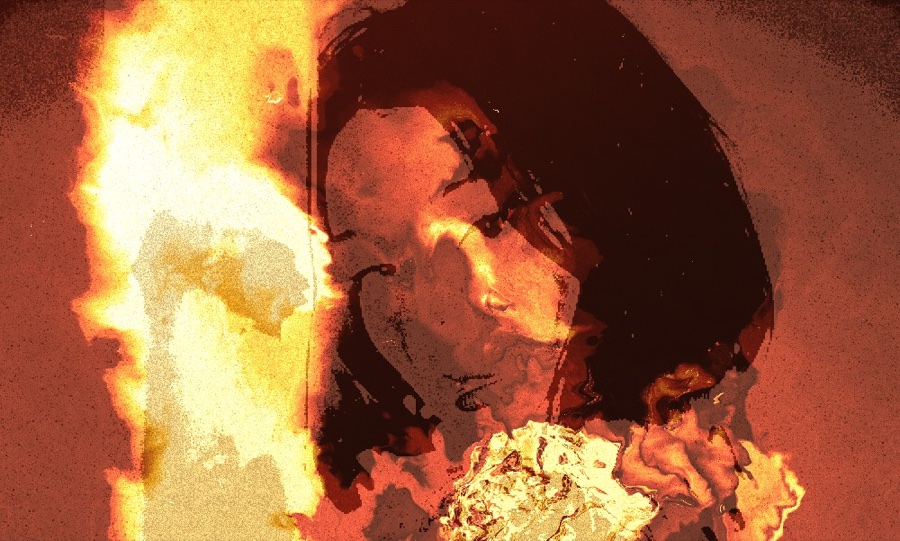
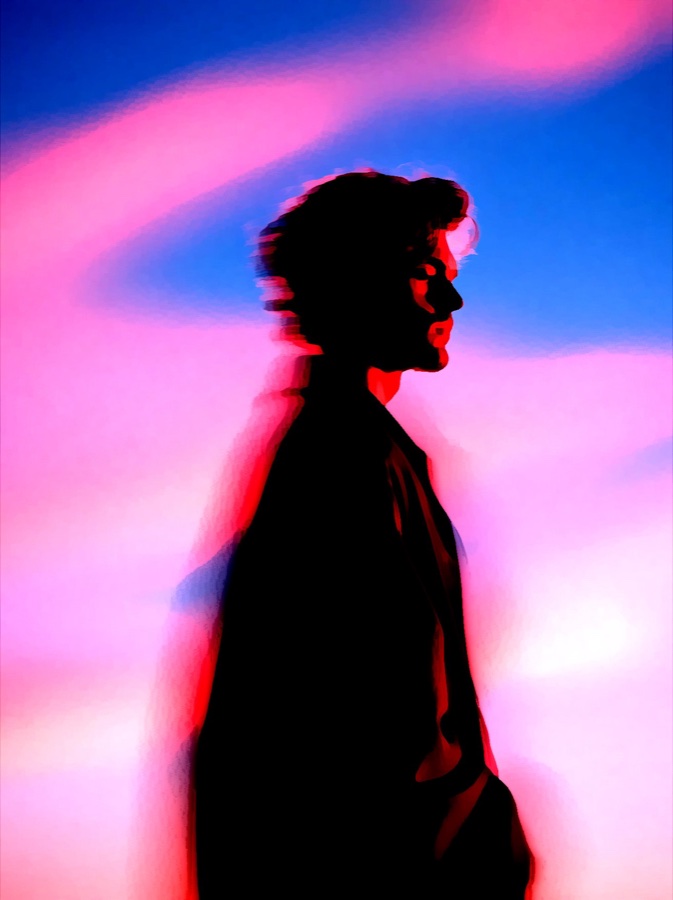
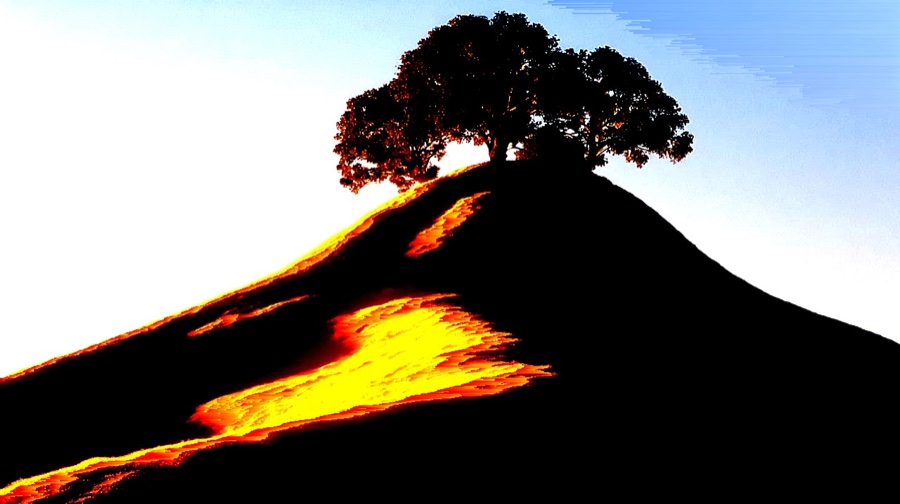
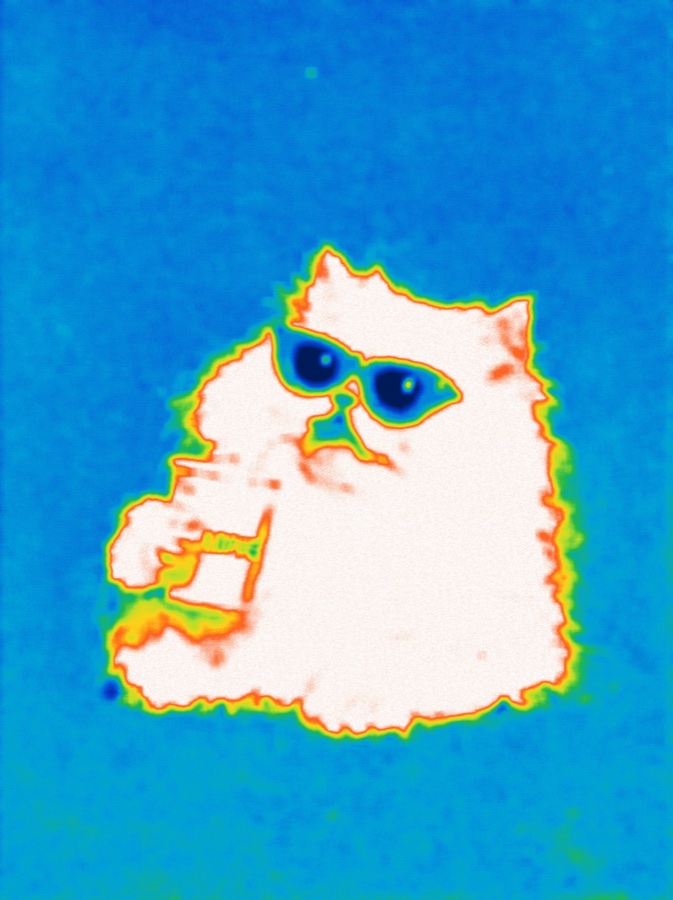
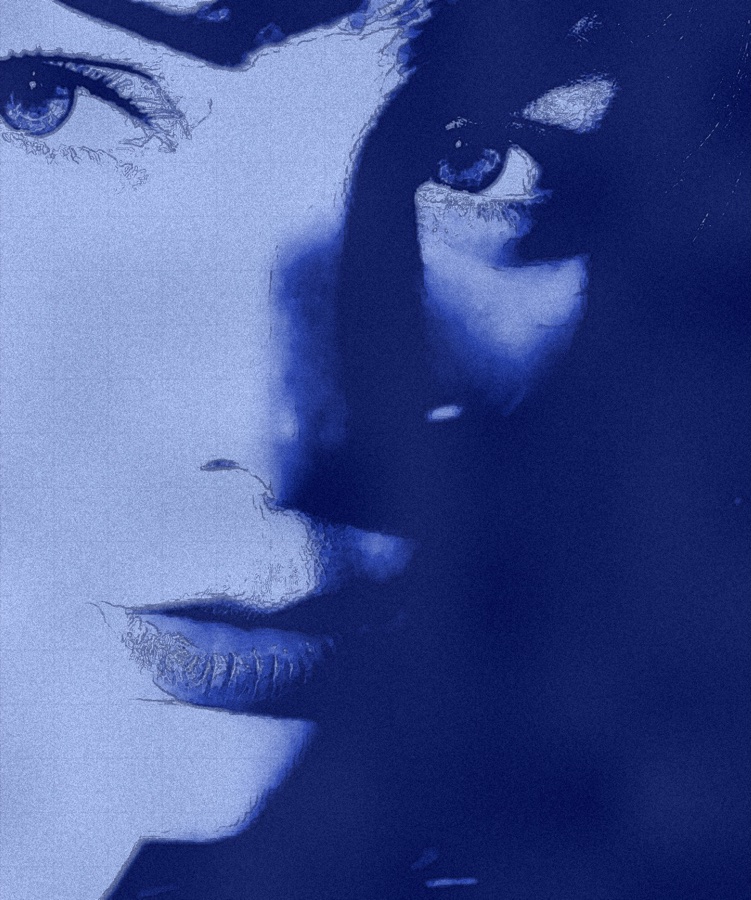
Grading and glow. Duotone, gradient maps, prisms, bloom and chromatic effects that work on colour and light instead of structure.
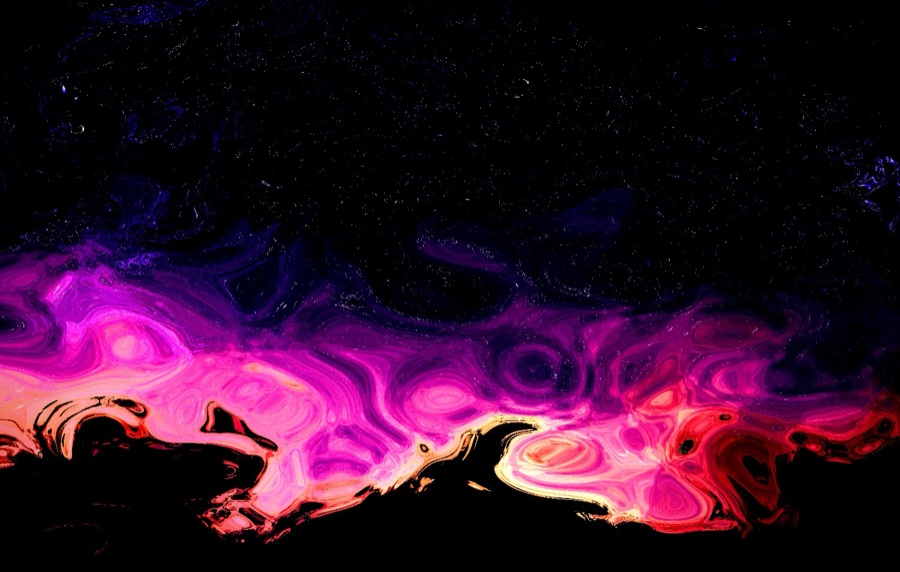
Surface and substance. Chrome, marble, molten metal, oil paint and watercolour, each giving the image a physical material to pretend it is made of.
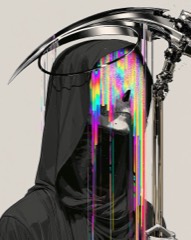
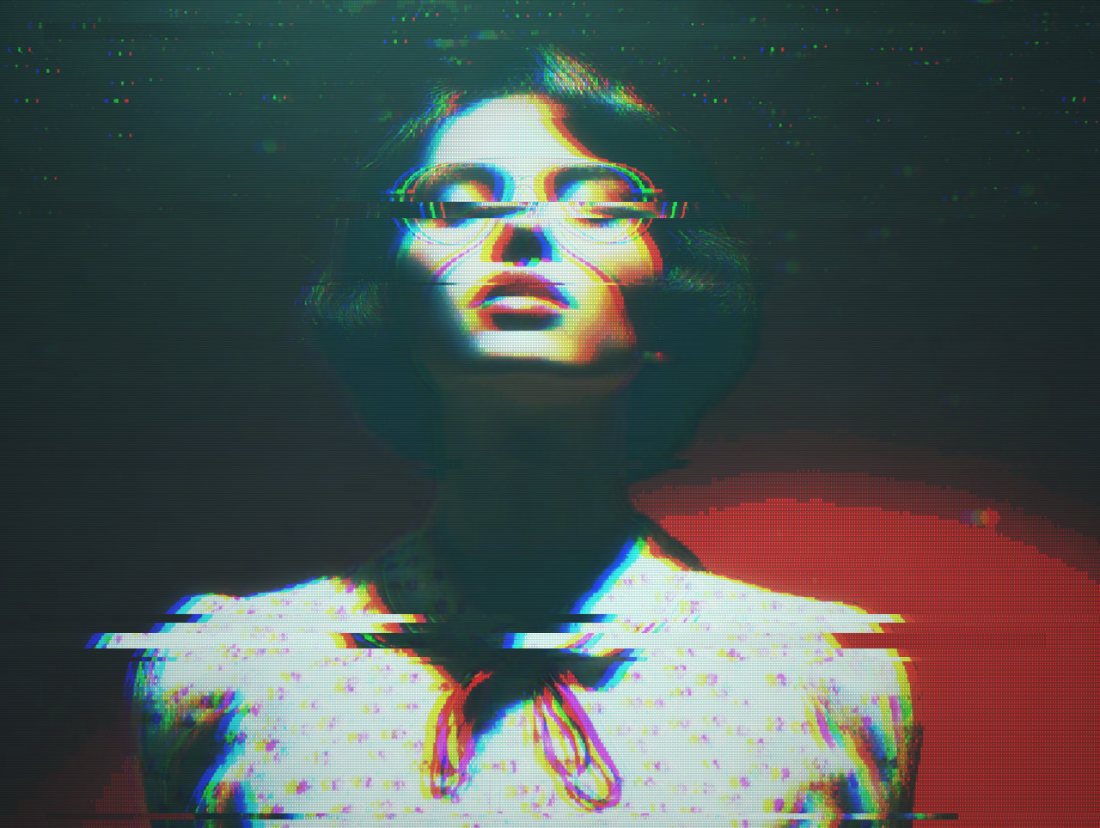
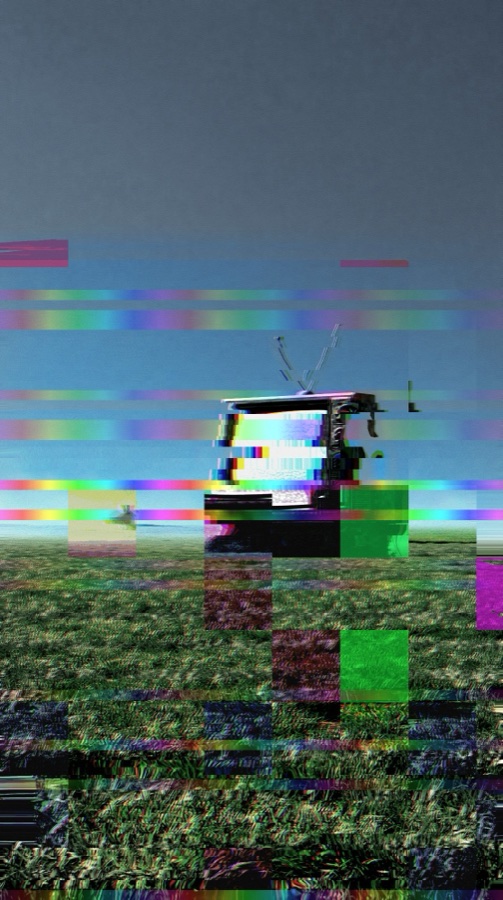
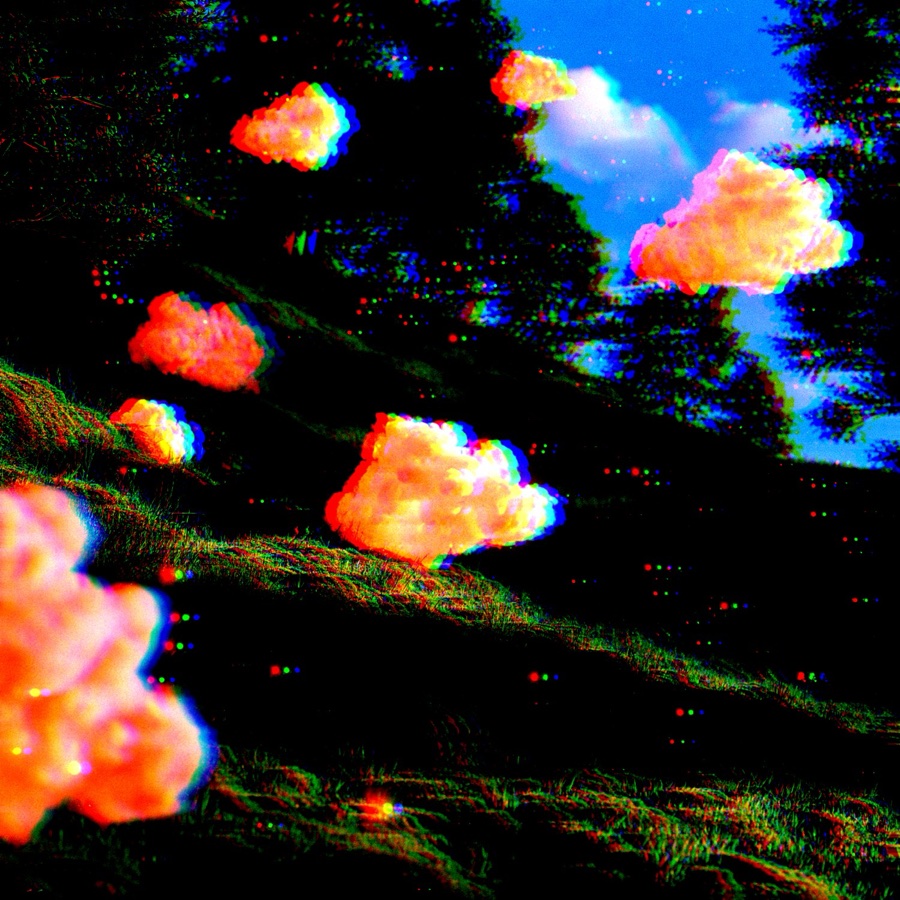
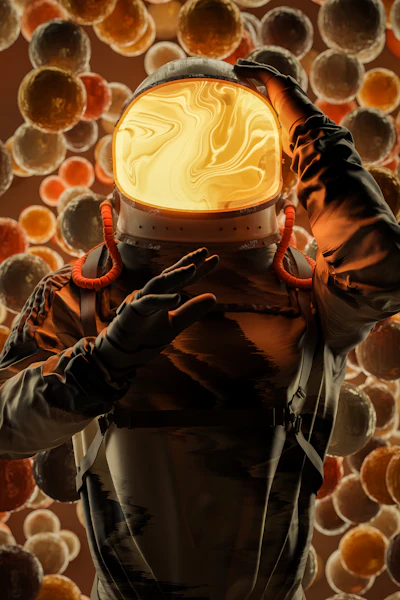
Signal failure. Datamosh, RGB split, scanlines, pixel sorting and CRT artefacts, the look of a broken screen or a corrupted file.
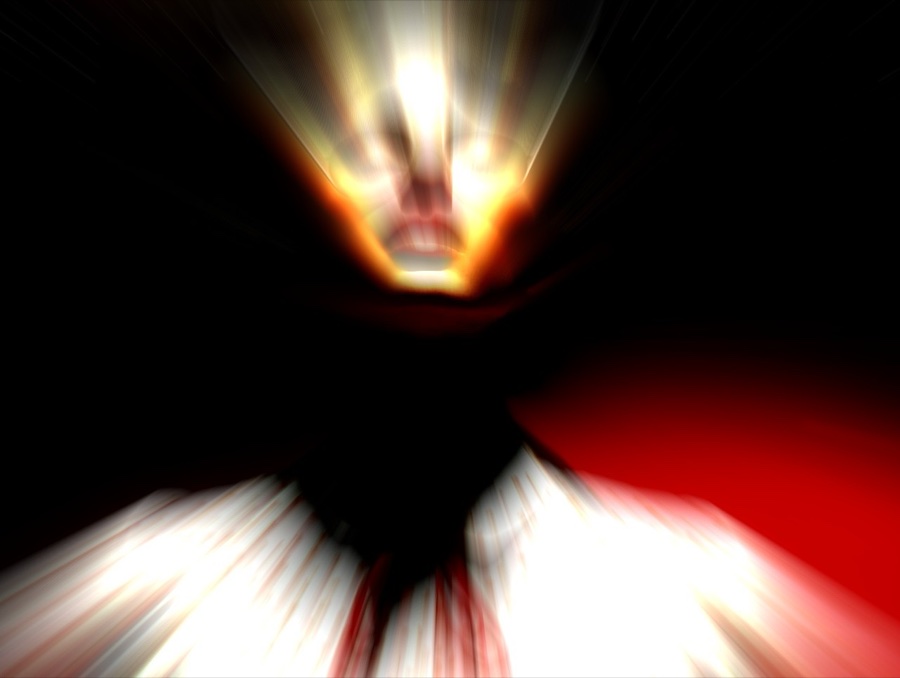
Selective focus. Gaussian, motion, radial and tilt-shift, used to direct the eye or fake a depth of field the camera never had.
Geometry bent. Twirl, ripple, pinch, polar and shear warps that move pixels around the frame without changing their colour.